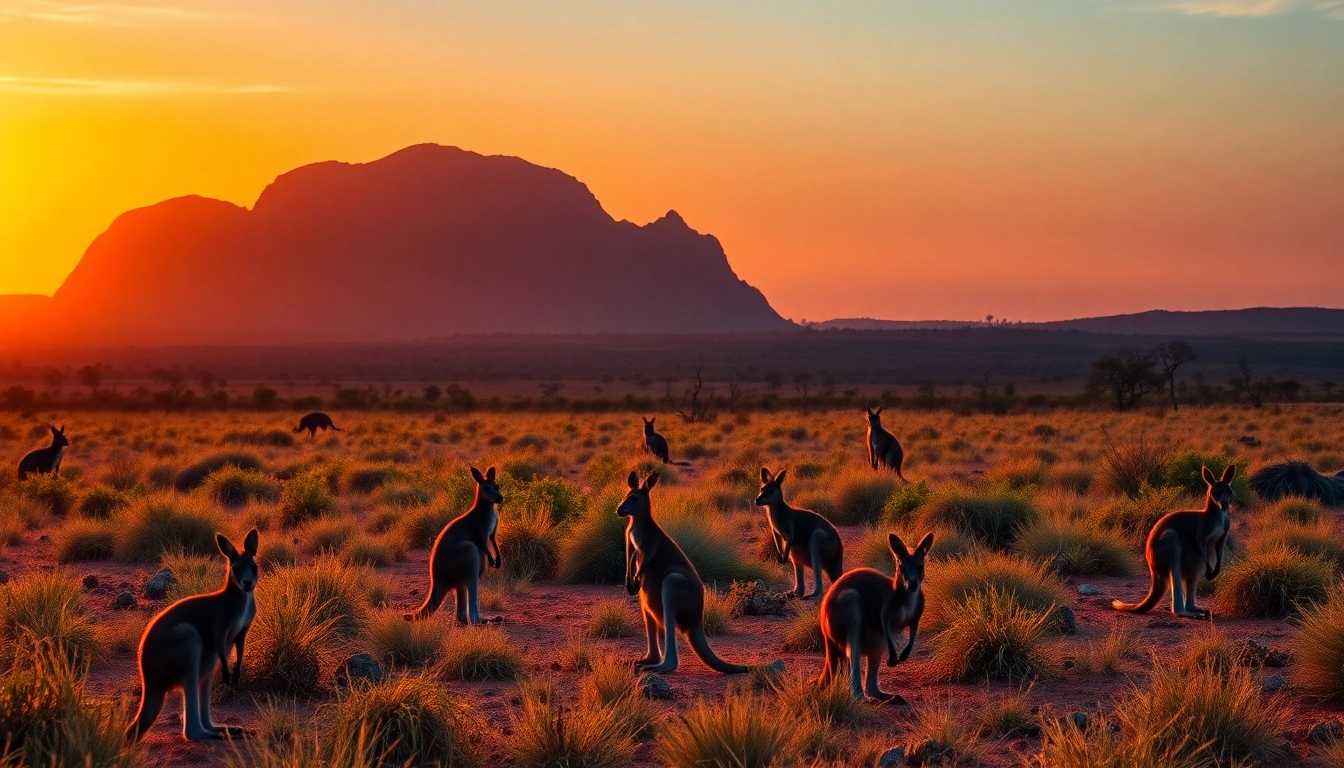
The Geography of Australia
Australia is a vast and diverse continent known for its unique landscapes, rich ecosystems, and vibrant cities. Known as the world’s flattest and driest inhabited continent, it measures approximately 7.7 million square kilometers, making it the sixth-largest country globally. A prime example of its geographic diversity is the Great Dividing Range, a series of mountain ranges that run along the east coast, contributing to varying climates and ecological zones. From arid deserts to lush rainforests, Australia offers a remarkable array of natural beauty.
Significantly, the country also hosts distinct ecosystems with approximately 80% of its flora and fauna being endemic, meaning they are not found anywhere else in the world. The coasts are fringed by stunning beaches and coral reefs, while the interior showcases the vast Outback—a region of stunning landscapes and rich Aboriginal history. For those looking to explore more about the magnificent landforms of this incredible country, Australia is a destination that boasts natural wonders and cultural experiences.
Continental Features of Australia
The country’s geographical layout can be divided into several features including coastal areas, deserts, and mountains. The eastern coastline is characterized by the Great Barrier Reef, the largest coral reef system in the world, which is not only a UNESCO World Heritage site but also a natural wonder that attracts millions of tourists every year. In stark contrast, the western part of Australia features the arid expanses of the Nullarbor Plain, one of the longest stretches of limestone pavement in the world.
The interior also includes famous landmarks such as Ayers Rock (Uluru), known for its stunning sunrise and sunset colors, and the MacDonnell Ranges with its unique rock formations. The entire continent is bordered by various oceans—the Indian Ocean to the west and the Pacific Ocean to the east—offering dramatic coastlines and rich marine life.
Major Cities in Australia
Australia's major cities—Sydney, Melbourne, Brisbane, Perth, and Adelaide—each display distinct personalities and cultural experiences:
- Sydney: Known for its iconic Sydney Opera House and Harbour Bridge, it is Australia's largest city, renowned for its vibrant arts scene and stunning coastal views.
- Melbourne: The cultural capital, famed for its street art, diverse culinary scene, and coffee culture. It is consistently rated as one of the world's most livable cities.
- Brisbane: Known for its warm weather and laid-back lifestyle, this city offers a blend of outdoor activities and urban adventure.
- Perth: The most isolated city in the world situated between the Indian Ocean and the rugged outback, Perth boasts beautiful beaches and a relaxed atmosphere.
- Adelaide: A city that prides itself on its festivals and arts, it is recognized for its wine regions and beautiful parklands.
Natural Wonders of Australia
Australia is home to a plethora of natural wonders that include:
- Great Barrier Reef: The world’s largest coral reef system, supporting a vast array of marine biodiversity.
- Uluru: A massive sandstone monolith often regarded as a spiritual icon.
- Blue Mountains: An area filled with spectacular cliffs, waterfalls, and eucalyptus forests.
- Fraser Island: The world’s largest sand island, known for its unique ecological features including rainforests and freshwater lakes.
Culture and Society in Australia
The cultural landscape of Australia is as diverse as its geography, shaped by Indigenous heritage, immigrant influences, and a modern lifestyle that reflects global trends and local traditions.
Indigenous Heritage in Australia
Australia’s Indigenous heritage is one of the oldest living cultures in the world, with histories dating back over 65,000 years. Aboriginal and Torres Strait Islander peoples contribute significantly to the nation’s cultural identity. Their languages, art, and connection to the land enrich the Australian narrative. You can witness this heritage in storytelling, music, and artwork found in various cultural festivals and exhibitions across the country.
Places like Kakadu National Park and Uluru-Kata Tjuta National Park showcase this cultural heritage through rock art galleries and traditional ceremonies, where visitors can gain insights into Indigenous histories and worldviews.
Modern Australian Lifestyle
The modern Australian lifestyle is highly influenced by outdoor activities, a love for sports, and an emphasis on work-life balance. The country’s inhabitants enjoy various recreational pursuits, from surfing on the Gold Coast to hiking in the bushland and indulging in food from around the world, reflecting its multicultural society. Urban areas are characterized by vibrant café cultures, open-air markets, and community events, promoting social interactions and connectivity among residents.
Festivals and Celebrations in Australia
Australia hosts a plethora of festivals, from cultural celebrations to music festivals and food expos:
- Australia Day (January 26): Celebrating the arrival of the First Fleet, this day is marked by citizenship ceremonies and festivities across the nation.
- Vivid Sydney: An annual festival of light, music, and ideas featuring spectacular light installations and performances.
- Melbourne International Comedy Festival: One of the largest comedy festivals globally, showcasing both local and international talent.
- Woodford Folk Festival: A celebration of music, arts, and sustainability held annually in Queensland.
Economy and Infrastructure of Australia
Australia possesses a robust economy characterized by a mix of services, manufacturing, and agriculture, making it one of the wealthiest nations with a high standard of living.
Economic Overview of Australia
As a highly developed nation, Australia boasts a stable economy with a high gross domestic product (GDP) per capita. Key sectors include mining, agriculture, and services. The country’s abundant natural resources, including minerals and energy sources like coal and natural gas, underpin its economic strength. Tourism also plays a vital role, drawing millions of visitors each year who contribute significantly to the national economy.
Key Industries Driving Australia
Several key industries propel the Australian economy forward:
- Mining: Australia is rich in resources such as iron ore, copper, and gold, making it a leading mining export nation.
- Agriculture: The agricultural sector is vital, producing wheat, wool, and meat, while employing many in rural areas.
- Tourism: The nation’s diverse landscapes and cultural attractions appeal to tourists worldwide, forming a crucial economic foundation.
- Technology: With a growing startup ecosystem, Australia is positioning itself as an innovation hub in the Asia-Pacific region.
Transportation in Australia
Australia’s transportation infrastructure is well-developed and includes both public and private options. The country’s vast distances necessitate efficient air travel, with major cities like Sydney and Melbourne connected by numerous domestic flights. Public transport systems in urban areas typically feature buses, trams, and trains, facilitating ease of movement for residents and visitors alike. Furthermore, the road network supports long-distance travel across the Outback and urban centers, enhancing connectivity and trade.
Tourism in Australia
Tourism is a significant part of Australia’s economy, offering a diverse array of attractions that cater to adventure seekers, nature lovers, and culture enthusiasts.
Popular Destinations in Australia
Some of the most sought-after tourist destinations include:
- Great Barrier Reef: An underwater wonderland of coral gardens and marine life.
- Sydney: Known for its iconic landmarks and vibrant urban lifestyle.
- Melbourne: A hotspot for arts, culture, and food.
- Bora Bora: Not directly a part of Australia but an inspiration for many travelers; its allure stems from captivating beaches and luxury resorts.
Eco-Tourism Opportunities in Australia
Australia is at the forefront of eco-tourism, promoting sustainable travel experiences that help protect its natural environment. Tour operators offer experiences such as guided bushwalks, wildlife encounters, and educational tours that emphasize conservation efforts. Destinations like the Daintree Rainforest and Kangaroo Island are popular choices for eco-conscious travelers looking to engage with nature responsibly while experiencing the unique biodiversity of the continent.
Travel Tips for Visiting Australia
When planning a trip to Australia, keep these tips in mind:
- Season: Australia has varied climates—research the best time to visit specific regions.
- Travel Insurance: Consider obtaining travel insurance for health coverage and travel disruptions.
- Local Customs: Familiarize yourself with local customs and etiquette, as Australians value friendliness and politeness.
- Transportation: Renting a car can provide the flexibility to explore, especially in rural areas.
Living in Australia
Living in Australia offers unparalleled opportunities for personal and professional development, supported by a high quality of life.
Cost of Living in Australia
The cost of living in Australia varies significantly between urban centers and rural areas. Major cities like Sydney and Melbourne are known for their high living costs, especially regarding housing and everyday expenses. Conversely, smaller towns and regional areas tend to have a lower cost of living. Understanding your budget will be essential for planning your lifestyle in Australia.
Healthcare System in Australia
Australia provides its residents with a world-class healthcare system combining public and private services. Medicare, the public health insurance system, ensures that citizens have free or subsidized access to medical services. The Australian healthcare system is highly regarded for its quality, efficiency, and accessibility.
Education in Australia
Australia is home to an esteemed education system, with access to primary, secondary, and higher education institutions. The country boasts several world-renowned universities that attract international students, reflecting its commitment to providing quality education. Education in Australia emphasizes critical thinking and innovation, preparing students for a globalized world.
FAQ
What is the best time to visit Australia?
The best time to visit Australia varies by region; however, spring (September to November) and autumn (March to May) offer pleasant weather and fewer crowds.
Is healthcare free in Australia?
Australia has a public healthcare system called Medicare that provides free or subsidized medical services for citizens but may not cover all health-related costs.
What is the cost of living in Australia?
The cost of living in Australia varies by location. Major cities like Sydney and Melbourne tend to be more expensive compared to rural areas.
How diverse is Australia?
Australia is one of the most multicultural countries, with a diverse population comprising people from various ethnic backgrounds, contributing to its rich cultural tapestry.
What languages are spoken in Australia?
While English is the primary language spoken in Australia, many Australians speak second languages reflecting the country's multicultural heritage, including Mandarin and Italian.