Understanding the Role of a Real Estate Photographer
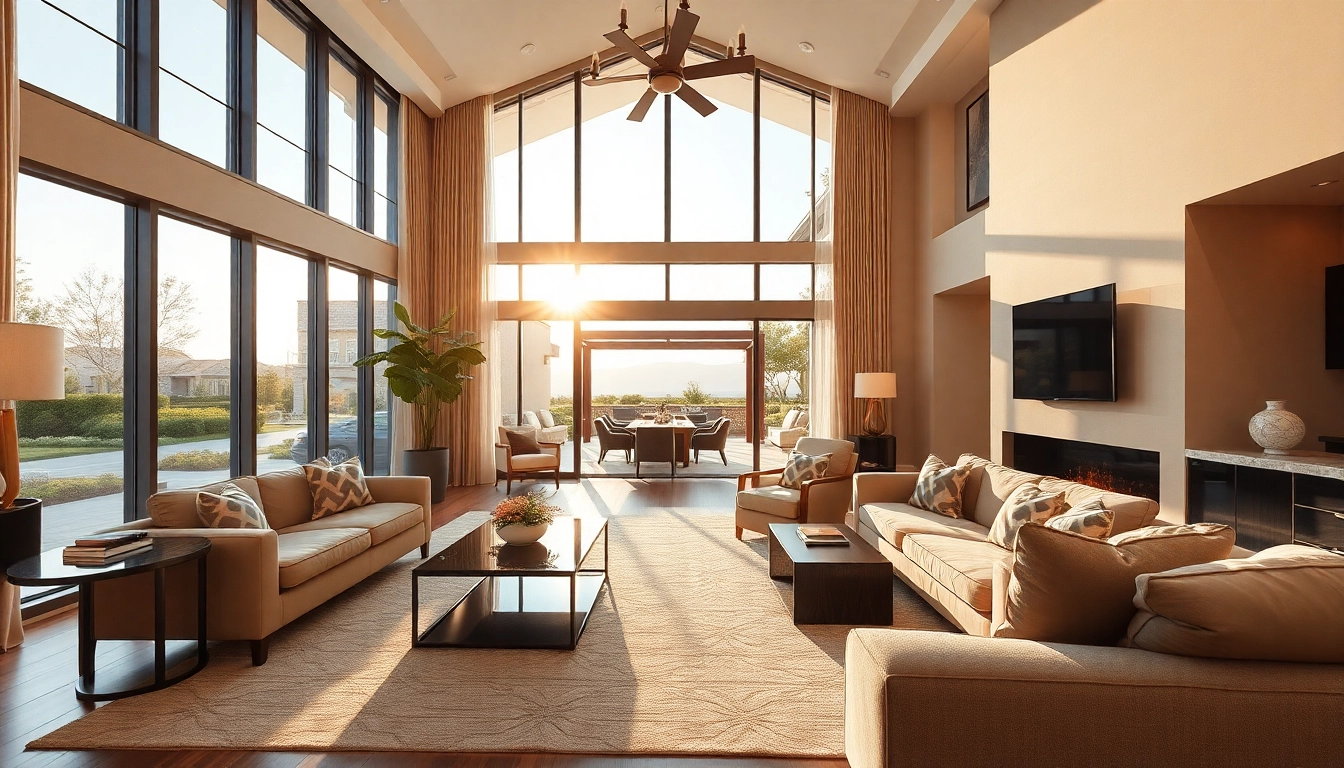
In the world of real estate, the visual appeal of a property can make or break a sale. This is where a Real Estate Photographer comes into play. A real estate photographer specializes in capturing properties in a way that highlights their best features, helping potential buyers envision themselves living in the space. The combination of professional equipment, artistic vision, and technical skill allows them to create imagery that stands out in the competitive real estate market.
What Does a Real Estate Photographer Do?
A real estate photographer's primary role is to produce high-quality images of residential or commercial properties. This involves more than just snapping pictures; it encompasses planning, staging, capturing, and editing the photos to enhance their appeal. Photographers are tasked with presenting a property in the best light—literally and figuratively. They often work closely with real estate agents, homeowners, and property developers to ensure that the visuals reflect the property's potential and atmosphere.
Key Skills Needed for a Successful Real Estate Photographer
To excel in real estate photography, one must possess a blend of technical skill and artistic vision. Here are some key skills required:
- Photography Skills: A deep understanding of photography principles, including composition, exposure, and lighting.
- Editing Proficiency: Mastery of photo editing software for post-production to enhance the quality of images.
- Attention to Detail: A keen eye for capturing fine details that showcase a property's charm.
- Communication: Effective communication skills to collaborate with agents and sellers.
- Time Management: The ability to manage various projects and deadlines efficiently.
How a Real Estate Photographer Makes Listings Stand Out
In a sea of real estate listings, outstanding photography can significantly increase visibility and interest in a property. Here’s how real estate photographers make listings shine:
- Highlighting Unique Features: Photographers know how to emphasize architectural details, landscaping, and interior design.
- Creating a Sense of Space: Techniques such as wide-angle shots can make spaces appear larger and more inviting.
- Storytelling: By capturing images that evoke emotion, photographers help potential buyers visualize their future in the home.
- Visual Consistency: Maintaining a consistent style across all images helps establish brand identity for real estate agents.
Essential Equipment for Real Estate Photography
The right equipment can make a significant difference in the quality of real estate imagery. Here are essential tools for a successful real estate photographer:
Camera and Lenses: What You Need
The backbone of any real estate photographer's toolkit is their camera. Full-frame DSLRs or mirrorless cameras are ideal due to their performance and image quality. Recommended lenses include:
- Wide-Angle Lenses: These allow for capturing expansive rooms and sprawling landscapes.
- Standard Zoom Lenses: Perfect for versatility when moving between different types of shots.
- Fast Prime Lenses: Excellent for low light environments, providing clarity and depth.
Lighting Tools for Perfect Property Shots
Effective lighting is crucial for photography, especially in interior spaces. Here are essential lighting tools:
- External Flash Units: These help illuminate dark corners and enhance the overall exposure.
- Reflectors: Useful for bouncing natural light and softening shadows.
- Continuous Lights: Perfect for consistent lighting conditions, particularly in complex spaces.
Technology and Software for Image Enhancement
Post-production is a vital step in real estate photography that can elevate the final output. Key software tools include:
- Adobe Lightroom: Ideal for batch editing and enhancing images.
- Adobe Photoshop: Useful for advanced editing, including retouching and compositing.
- Photography Plugins: Tools like Photomatix for HDR photography can maximize detail in high-contrast scenes.
Techniques to Capture Stunning Property Images
While equipment is important, mastering photography techniques is equally crucial. Here are some effective methods for capturing stunning property images:
Composition Rules Every Real Estate Photographer Should Follow
Composition plays a key role in creating engaging images. Following these rules can enhance the overall impact of your shots:
- Rule of Thirds: Positioning key elements along the imaginary grid enhances balance.
- Leading Lines: Using architectural lines to guide the viewer’s eye to focal points.
- Framing: Incorporating elements of the space to frame the shot can add depth.
Using Natural Light vs. Artificial Lighting
Understanding the interplay between natural and artificial light is essential. Natural light can create a warm atmosphere, while artificial lighting can fill shadows and create well-lit spaces regardless of the time of day.
Common Mistakes to Avoid in Real Estate Photography
Even experienced photographers can fall into traps that diminish the quality of their imagery. Here are some common mistakes to avoid:
- Overediting: Excessive photo manipulation can result in unrealistic images.
- Poor Lighting: Inadequate lighting can lead to grainy or flat images.
- Ignoring Scale: Failing to incorporate objects for scale can mislead potential buyers.
Post-Production Tips for Real Estate Photographers
Post-production is where photos become polished and professional. A few tips for effective post-processing include:
Editing Software for High-Quality Photos
As mentioned earlier, software like Adobe Lightroom and Photoshop should be staples in any real estate photographer's workflow. It’s essential for color correction, exposure adjustment, and cropping to improve composition.
Best Practices for Photo Enhancement
While editing, keep the following practices in mind:
- Use Presets: Establish presets for consistency across projects.
- Stay True to Color: Ensure colors reflect the property accurately to avoid disillusionment.
- Crop for Impact: Focus on the most important elements while removing distractions.
Creating Virtual Tours: Tools and Techniques
With advancements in technology, virtual tours have become an integral part of real estate listings. Tools like Matterport allow photographers to create immersive experiences that engage potential buyers virtually. Ensuring smooth transitions and accurate mapping increases the effectiveness of these tours.
Marketing Your Business as a Real Estate Photographer
Amazing photographs alone aren’t enough to succeed in this field; effective marketing strategies are essential. Here are the best practices for promoting your services:
Building an Impressive Portfolio
A strong portfolio serves as your visual resume. Include a variety of property types, showcasing your versatility and skill across different styles. Using high-quality images and maintaining consistency in presentation can help attract prospective clients.
Utilizing Social Media for Promotion
Leverage platforms like Instagram, Facebook, and Pinterest to showcase your work and connect with real estate agents and potential buyers. Regular posts, stories, and engagement with your audience can enhance your visibility.
Networking Tips for Real Estate Photographers
Building relationships with real estate professionals can open doors to new opportunities. Attend industry events, engage in local real estate groups, and collaborate with agents to foster connections that can lead to referrals and partnerships.
FAQs
1. Do real estate photographers make a lot of money?
The average salary for real estate photographers is around $53,035 annually. However, earnings can vary based on location, experience, and services offered.
2. What types of properties do real estate photographers shoot?
Real estate photographers commonly shoot residential homes, commercial properties, luxury estates, and rental spaces for listings and marketing purposes.
3. How long does a shoot typically take?
A typical real estate photography session can take between 1 to 3 hours, depending on the property size and complexity of staging and lighting.
4. What should I expect during a photography session?
During a session, expect the photographer to arrive with equipment, assess lighting conditions, and guide you on staging to capture the best angles.
5. Can real estate photography help sell a property faster?
Yes, listings with professional photography tend to garner more interest and can lead to quicker sales due to the enhanced visual appeal.