Introduction to Gradall Equipment
Gradalls are an integral piece of equipment in the construction industry, known for their ability to handle tasks with efficiency and precision. Their unique design allows for versatility across various job sites, making them a favorite among operators and project managers alike. From roadwork to utility maintenance, understanding the capabilities and applications of gradall equipment is essential for anyone looking to maximize productivity.
What is a Gradall?
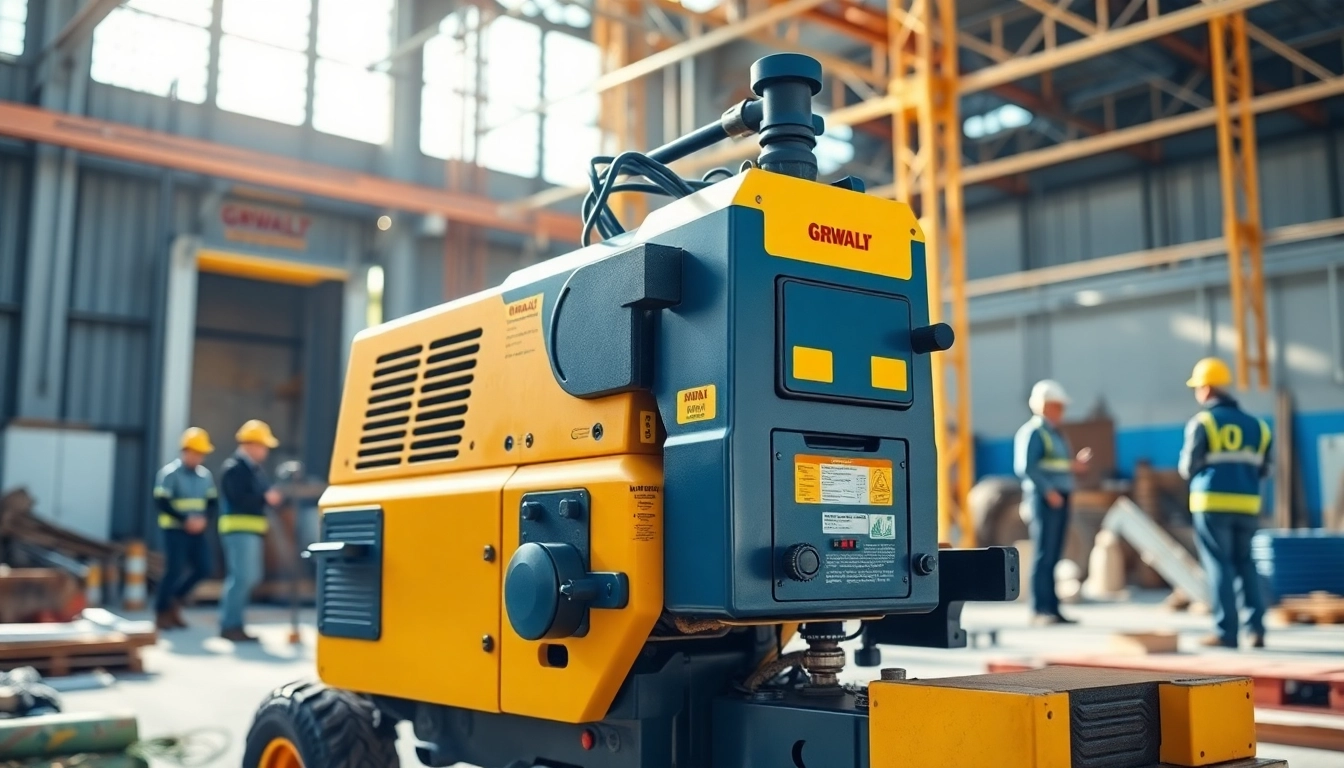
A Gradall is a specialized piece of heavy machinery used primarily for digging, lifting, and placing materials in construction tasks. Its unique telescopic boom and rotating cab allow it to perform tasks that standard excavators or cranes cannot, giving it the competitive edge in maneuverability. This flexibility enables operators to work in tight spaces and at various elevations with ease.
Key Features of Gradalls
Gradalls come equipped with several distinctive features that set them apart from conventional machinery:
- Telescopic Boom: This feature allows for extended reach, enabling operators to access hard-to-reach areas, which is particularly useful in urban environments.
- Rotating Cab: The 360-degree rotating cab provides exceptional visibility and control, allowing the operator to maneuver confidently without having to reposition the entire machine.
- Versatile Attachments: Gradalls can be fitted with a range of attachments, from buckets and forks to specialized tools, facilitating multiple types of jobs with one piece of equipment.
- Compact Design: Relative to other heavy equipment, Gradalls maintain a compact footprint, allowing them to operate in confined spaces while providing full functionality.
Common Uses in Construction
Gradalls are utilized in various aspects of construction work, including but not limited to:
- Road Construction: Gradalls can excavate, grade, and position materials, making them vital for road and highway maintenance.
- Landscaping Projects: They are frequently used for raising and repositioning heavy materials in garden and landscaping applications.
- Utility Maintenance: Their ability to navigate and operate in tight spaces makes them perfect for utility line repairs and installations.
- Building Construction: Gradalls can lift materials to significant heights, providing support during the construction or renovation of buildings.
Advantages of Using Gradall Machines
Leveraging Gradall machines on job sites presents a multitude of advantages, contributing to project efficiency and effectiveness.
Enhanced Maneuverability
One of the primary strengths of the Gradall is its unmatched maneuverability. Equipped with rubber tires or tracks, it can traverse uneven or rough terrain without difficulty, reducing downtime and enhancing productivity. The ability to operate in confined spaces allows Gradalls to reach areas that larger, more cumbersome machines cannot, thereby broadening their application across various projects.
Versatility Across Different Terrain
Gradalls are designed to operate effectively across diverse types of terrain, including soft, muddy, gravelly, or even uneven surfaces. This versatility means that they can be employed in diverse environments, from urban construction sites to rural landscaping tasks. As a result, teams can reduce the number of machines needed on a project, leading to lower equipment costs and increased operational efficiency.
Cost-Effective Solutions
Investing in Gradalls can yield significant long-term savings. Their multi-functional capabilities mean that companies can reduce equipment rental costs by using one machine for multiple tasks. Furthermore, their fuel-efficient engines allow for lower operational costs compared to traditional heavy equipment. The longevity and durability of Gradalls also contribute to a lower total cost of ownership.
Best Practices for Operating Gradalls
To maximize the lifespan and performance of Gradalls, operators should adhere to best practices in operation, maintenance, and safety.
Safety Protocols to Follow
Safety should always be a priority when operating heavy machinery. Operators must ensure that they are familiar with the manufacturer's guidelines and adhere to safety protocols, including:
- Wearing appropriate personal protective equipment (PPE), such as helmets and gloves.
- Conducting pre-operation inspections to ensure that all systems are functioning correctly.
- Utilizing operators' manuals and attending training sessions for new operators.
- Communicating effectively with team members through hand signals or radios when working in a noisy environment.
Maintenance Tips for Longevity
Routine maintenance is essential to keeping Gradalls in optimal working condition. Operators should follow a structured maintenance schedule that includes:
- Regularly checking hydraulic fluids, oils, and fuel levels.
- Inspecting tires or tracks for wear and ensuring proper inflation or tension.
- Cleaning filters and screens to prevent clogs or malfunctions.
- Scheduling professional servicing at regular intervals as recommended by the manufacturer.
Effective Training Methods
Proper training is vital for safe and efficient Gradall operation. Companies should invest in comprehensive training programs that cover:
- Control systems and machine functionality.
- Hands-on training sessions in a controlled environment.
- Safety protocols and emergency procedures.
- Regular assessment and refresher courses to ensure ongoing competency.
Gradall Comparison: Models and Performance
When choosing the right Gradall for a project, it's vital to consider different models and their specifications. This section delves into various models, their performance, and what factors to consider when selecting the appropriate machine.
Key Specifications to Consider
When evaluating Gradall machines, pay close attention to specifications that impact performance:
- Operating Weight: A machine's weight can affect stability, lifting capacity, and the type of projects it can handle.
- Maximum Reach: The boom's length plays a crucial role in determining how far and high materials can be moved.
- Lifting Capacity: Evaluate the maximum load the Gradall can lift, as this directly influences project feasibility.
- Engine Power: Engines with higher horsepower can handle more strenuous tasks.
Choosing the Right Gradall for Your Project
Choosing the right Gradall model depends on the specific needs of your project. Assess factors like:
- The scale and scope of your project.
- Workspace limitations and terrain types.
- Your budget for rental or purchase.
- The level of operator expertise available onsite.
Performance Benchmarking
Evaluating Gradall performance against similar equipment can provide insight into its efficiency and effectiveness. Consider benchmarks such as:
- Speed of operation in various tasks.
- Fuel efficiency and operational costs.
- Maintenance frequency and costs.
- User reviews and feedback concerning reliability and versatility.
FAQs About Gradalls
What types of projects are best suited for a gradall?
Gradalls excel in projects requiring lifting and maneuvering in tight spaces, such as roadwork, utility maintenance, and landscaping.
How often should I maintain my gradall?
Regular maintenance is crucial; check hydraulic systems and engine performance regularly. Schedule professional servicing every 500 hours of operation.
Can a gradall operate on uneven terrain?
Yes, Gradalls are designed to work effectively on uneven surfaces, enhancing their versatility on construction sites.
What safety features should I look for in a gradall?
Look for models with safety features like an emergency stop mechanism, backup alarms, and ROPS (Roll Over Protection System) for operator safety.
Are gradalls suitable for residential projects?
Absolutely! Gradalls are ideal for residential projects such as landscaping and home renovations due to their compact size and versatility.