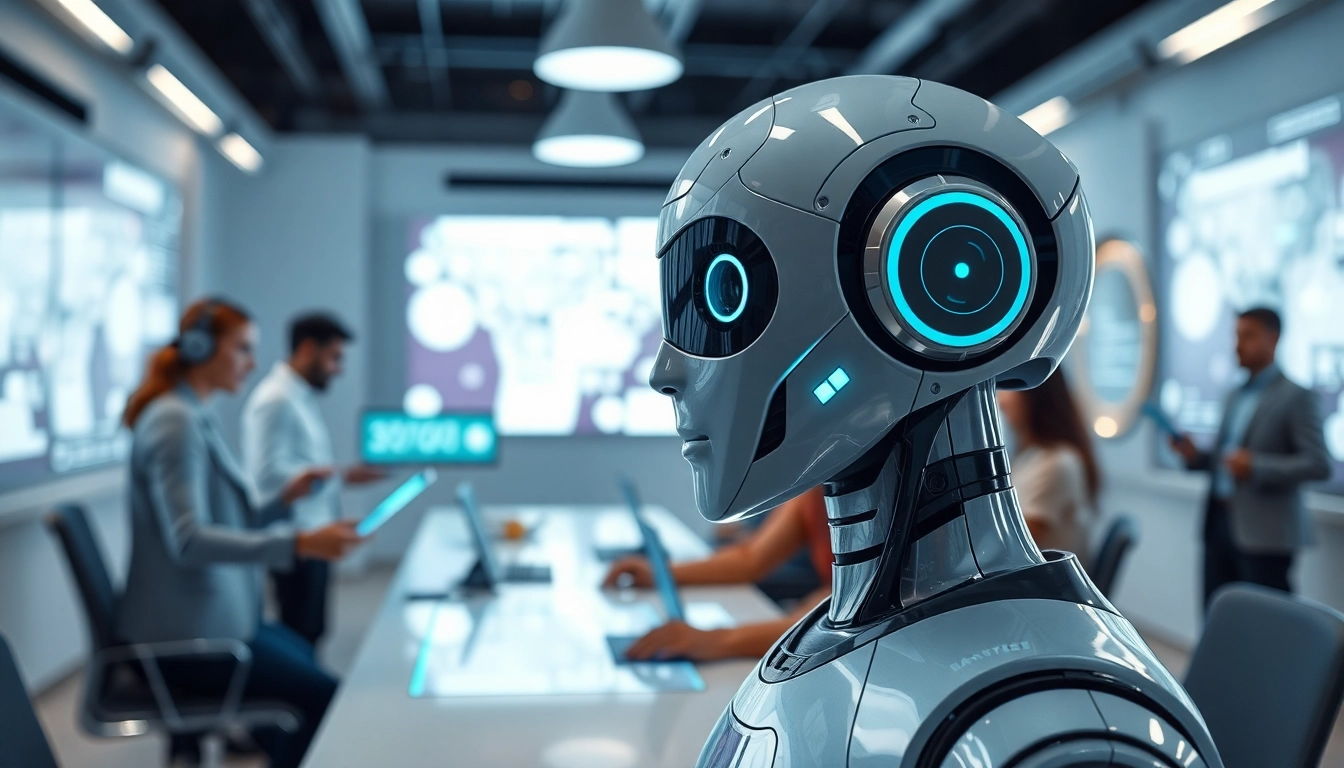
In today's fast-paced digital world, the integration of Ai Bots has emerged as a transformative force across multiple industries. Organizations are increasingly leveraging these intelligent systems to streamline operations, enhance customer interaction, and achieve efficiency in various processes. This article delves into the core aspects of Ai Bots, their implementation, best practices, challenges businesses may face, and future trends shaping their evolution in the market.
Understanding Ai Bots and Their Functions
What Are Ai Bots?
Ai Bots, or artificial intelligence bots, are software applications designed to engage with users, either through natural language processing or automated response systems. They can simulate human-like conversations, making them invaluable tools for businesses looking to enhance customer service or streamline operations. At their core, Ai Bots utilize machine learning algorithms to analyze data, understand context, and provide relevant responses to user inquiries.
Core Features of Ai Bots
The features of Ai Bots can vary widely, but several core functionalities are frequently found across most applications:
- Natural Language Processing (NLP): Allows bots to understand and interpret human language in a conversational manner.
- Machine Learning: Adapts responses based on previous interactions to improve accuracy and relevance over time.
- 24/7 Availability: Ensures constant support and interaction without downtime, enhancing customer experience.
- Multichannel Engagement: Can operate across various platforms such as websites, social media, and messaging apps.
- Data Analytics: Gathers insights from user interactions, providing valuable information for businesses to refine their operations.
Applications Across Industries
Ai Bots are not limited to customer service; they find applications in various sectors:
- E-commerce: Ai Bots assist in personalizing the shopping experience, providing recommendations, and answering product inquiries.
- Healthcare: They aid in scheduling appointments, patient triage, and providing medical information.
- Finance: Ai Bots support financial advising, transaction handling, and customer queries related to services.
- Human Resources: Automate recruitment processes, answer employee questions, and facilitate onboarding.
Implementing Ai Bots into Your Business
Assessing Your Needs for Ai Bots
Before the implementation of Ai Bots, businesses need to assess their specific needs. It is crucial to identify the areas where automation can drive efficiency or enhance user interaction. This could range from customer support to internal processes such as HR management. Evaluating the volume and type of inquiries received can help in deciding the scope of Ai Bot deployment.
Selecting the Right Ai Bots
When choosing an Ai Bot, consider factors such as compatibility with existing systems, scalability, and customization options. Assess available features and support for natural language understanding, as this will dictate the bot's ability to engage effectively with users. Additionally, reviewing case studies and feedback from other organizations may provide insights into which bots provide the best return on investment.
Deployment Strategies for Success
A successful deployment involves a strategic approach. Start with a phased implementation. Begin with less critical applications to test the technology’s effectiveness. Consider integrating an Ai Bot with existing customer support channels to ease the transition and provide employees a chance to adapt to the new system. Continuous training and iterative improvements based on user interaction are vital to enhance performance.
Best Practices for Using Ai Bots
Designing User-Centric Interactions
User experience should be at the forefront of Ai Bot design. Ensure that interactions are natural, intuitive, and provide clear options for users to either receive information or connect with human representatives when needed. Personalizing interactions based on user data can enhance engagement and provide a more satisfying experience.
Monitoring and Evaluating Performance
Track key performance indicators (KPIs) such as response time, user engagement levels, and overall customer satisfaction. Regularly reviewing analytics will help identify patterns or areas for improvement. Implement user feedback loops to gather insights directly from users about their experiences and refine the Ai Bot accordingly.
Considerations for Continuous Improvement
The landscape of Ai Bots is continually evolving. Organizations should stay abreast of technological advancements that can improve Ai Bot functionality. Routine updates, testing new features, and integrating user suggestions will not only enhance effectiveness but also maintain relevance in a competitive environment.
Challenges in Ai Bots Implementation
Common Pitfalls to Avoid
One of the significant pitfalls in Ai Bot implementation is underestimating the complexity of human language and interactions. Poorly designed bots can frustrate users and lead to a negative perception of the brand. To avoid this, conduct comprehensive testing and continuously refine the bot's responses based on user interactions.
User Adoption and Training
Sometimes, employees may resist the adoption of Ai Bots, fearing job displacement or technology overload. Implementing training sessions that illustrate how Ai Bots enhance rather than replace human work can ease these concerns. Encourage collaboration between bots and human employees to create a seamless workflow.
Dealing with Technical Issues
Technical issues can arise during implementation or after the launch. Having an adaptable Ai Bot and a support team that is prepared to handle complications swiftly is essential. Establish clear processes for troubleshooting and provide regular maintenance to prevent prolonged disruptions in service.
Future Trends in Ai Bots Technology
Advancements to Watch For
As technology evolves, Ai Bots will leverage more sophisticated machine learning algorithms and natural language processing capabilities. Enhanced emotional intelligence may allow Bots to better understand sentiment and context within conversations, making interactions more human-like. The integration of augmented reality (AR) may also provide immersive user experiences in retail and training environments.
Potential Impact on Businesses
The continuous advancement of Ai Bots is likely to transform business operations significantly. With improved capabilities, businesses can expect more efficient processes, reduced operational costs, and enhanced customer satisfaction. As Ai Bots become increasingly integrated into daily functions, the push for more personalized experiences will grow stronger.
Preparing for Changes in User Expectations
As Ai Bots continue to evolve, so will user expectations. Customers will demand more responsive, intuitive, and personalized interactions. Businesses must prepare to adapt their strategies to meet these changing demands, ensuring that Ai Bots evolve in alignment with customer needs and preferences.
Frequently Asked Questions
1. What are Ai Bots used for?
Ai Bots are used to enhance customer service, automate tasks, provide information, and streamline operations across various industries, including e-commerce, healthcare, and finance.
2. How do Ai Bots work?
Ai Bots work by utilizing natural language processing and machine learning algorithms to interpret user inputs, generate appropriate responses, and learn from interactions for improved future performance.
3. Are Ai Bots expensive to implement?
The cost of implementing Ai Bots can vary depending on complexity and customization needs, but many solutions are available across a range that fits different budgets.
4. Can Ai Bots handle complex queries?
While Ai Bots can handle many standard queries, their ability to manage complex inquiries depends on their programming and machine learning capabilities; ongoing updates can enhance this aspect.
5. How can I ensure my Ai Bot remains effective?
Regular monitoring, user feedback, and updates based on technological advancements are key strategies for maintaining the effectiveness of your Ai Bot.