Understanding Retail Video Analytics
In the rapidly evolving landscape of retail, understanding consumer behavior is crucial for success. This is where retail video analytics comes into play. This technology leverages video surveillance to capture real-time data that not only enhances store security but also optimizes operational efficiency and elevates the customer experience.
What is Retail Video Analytics?
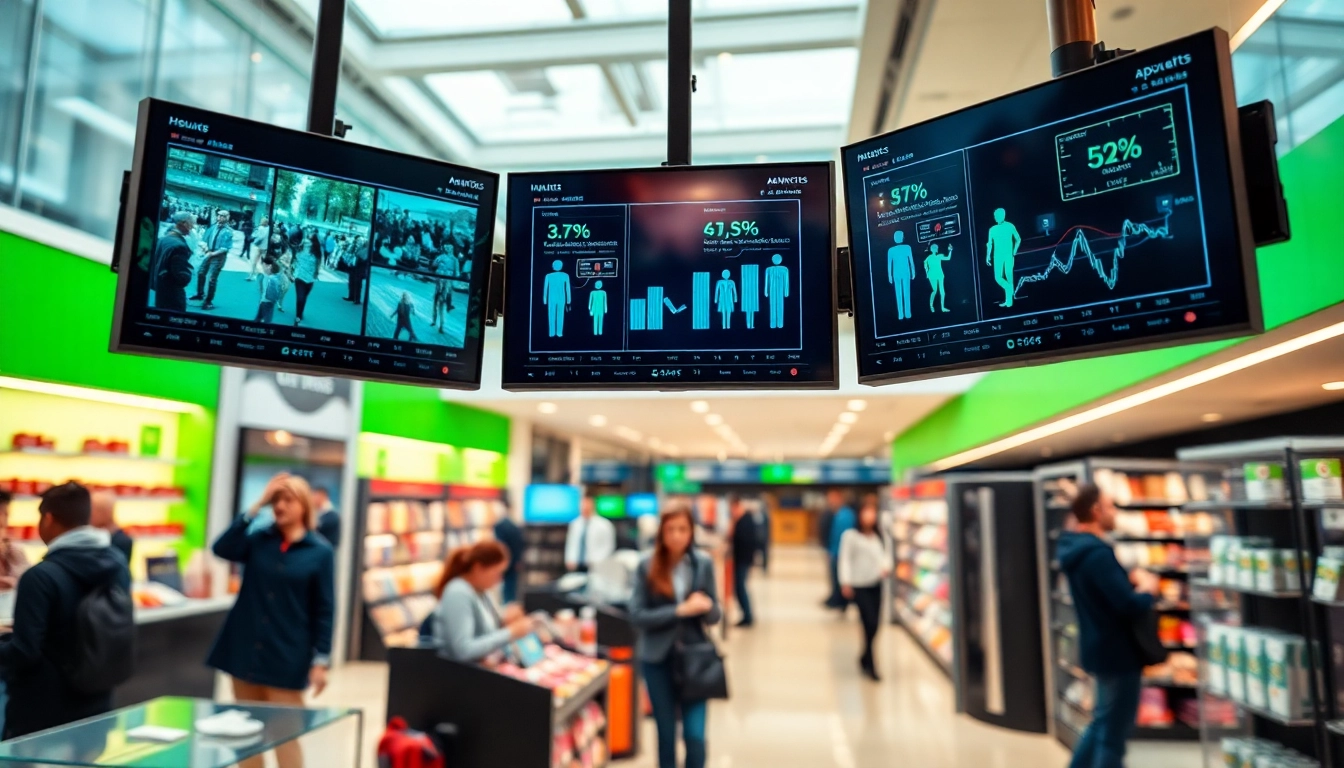
Retail video analytics refers to the use of advanced technologies such as artificial intelligence (AI) and machine learning to analyze footage from video surveillance systems in retail environments. It processes live video feeds and extracts meaningful insights about customer behavior, foot traffic, and even product performance. Through intelligent analysis, retailers can gain visibility into how customers interact with products, their movement patterns, and the overall shopping environment.
How Retail Video Analytics Works
The core functionality of retail video analytics involves the integration of image processing algorithms with video feeds from cameras installed in stores. These systems work in several key steps:
- Data Collection: Cameras positioned throughout the store capture continuous video data.
- Data Processing: AI algorithms sift through the footage, identifying patterns such as customer movements, dwell times, and product interactions.
- Insight Generation: The software compiles this data into actionable insights, providing retailers with information that can be visualized through dashboards and reports.
Importance of Retail Video Analytics
Retail video analytics is indispensable for modern retailers for several reasons:
- Enhanced Decision-Making: Retailers can make data-driven decisions based on real-time insights, leading to improved store layouts and product placements.
- Customer Engagement: Understanding customer behavior allows retailers to create targeted marketing strategies and personalized shopping experiences.
- Security and Loss Prevention: Besides customer insight, surveillance footage aids in fraud detection and reducing shrinkage.
Key Features of Retail Video Analytics
Real-Time Data Processing
One of the standout features of retail video analytics is its ability to process data in real-time. This means that retailers can respond immediately to customer behaviors as they happen, rather than relying on retrospective analyses. By employing real-time data processing, businesses can make timely adjustments to staff allocations or promotional displays based on customer presence and activity levels.
Customer Behavior Analysis
Understanding who your customers are, what they want, and how they operate in-store is critical. Retail video analytics provides comprehensive behavior analysis by tracking customer paths, monitoring how long shoppers linger in specific areas, and assessing how often they engage with particular products. This information helps retailers optimize store layouts, improve merchandising tactics, and tailor marketing efforts to specific demographics.
Integration with Existing Systems
For retailers, integrating new technology with existing systems can often be a challenge. However, leading retail video analytics solutions are designed with compatibility in mind. These platforms can often interface with legacy security camera systems and POS systems, allowing for the seamless flow of data from various sources, thus maximizing the value of current investments. This ease of integration enhances operational efficiency by centralizing data access points.
Benefits of Implementing Retail Video Analytics
Improving Customer Experience
The ultimate goal of retail video analytics is to enhance the customer experience. By gathering insights such as peak shopping times and customer foot traffic patterns, retailers can optimize staffing levels, ensuring that customers receive prompt service. Furthermore, by analyzing areas with high engagement, retailers can enhance display strategies by transforming passive customers into buyers.
Enhancing Operational Efficiency
Operational efficiency is crucial for maintaining competitive advantages. Retail video analytics streamlines operations by providing insights that lead to better resource allocation. For example, understanding peak hours can help retailers optimize staffing levels, thereby reducing labor costs without compromising service quality.
Boosting Sales and Marketing Efforts
Effective use of retail video analytics can lead to significant sales increases. By understanding customer interaction with specific products and promotional displays, retailers can tailor marketing efforts accordingly. Additionally, identifying target demographic trends enables more effective marketing strategies and promotions that resonate with the customer base.
Challenges in Utilizing Retail Video Analytics
Data Privacy Concerns
While retail video analytics offers many benefits, it also raises significant data privacy issues. With growing concerns about surveillance and data collection, retailers must be careful to ensure compliance with privacy laws and ethical guidelines. Implementing transparent data practices and ensuring customers are informed about the data being collected can help mitigate these concerns.
Integration Challenges
Integrating advanced analytics solutions with existing infrastructure can be complex. Retailers may face compatibility issues and data silos that hinder the full utilization of analytics capabilities. A thorough assessment of existing systems and the careful selection of analytics solutions that offer a high degree of integration can alleviate these issues.
Interpreting Analytical Data
One of the more significant challenges associated with retail video analytics lies in interpreting the data effectively. With the volume of information generated, retailers may struggle to extract actionable insights. To combat this, organizations can invest in training or collaborate with data analysts to ensure that insights lead to informed decision-making rather than merely numbers on a dashboard.
Future Trends in Retail Video Analytics
Advancements in AI and Machine Learning
The future of retail video analytics is tightly linked to advancements in AI and machine learning. As these technologies evolve, we can expect more sophisticated predictive analytics capabilities. This means that retailers could not only understand current customer behaviors but also predict future shopping trends, allowing for more proactive business strategies.
Cross-Channel Integration Strategies
With the rise of omnichannel shopping experiences, retailers will benefit from creating cross-channel integration strategies that combine in-store video analytics with online customer behavior data. By correlating online interactions with in-store movements, retailers can create a holistic view of the customer journey, enhancing both online and offline experiences.
Predicted Impact on Retail Operations
As technology continues to redefine the retail landscape, businesses that adopt video analytics will likely gain a competitive edge. The ability to leverage real-time insights will lead to quicker, data-driven decision-making, fostering an environment of continuous improvement and adaptation to changing consumer demands.
FAQs about Retail Video Analytics
What types of data can retail video analytics capture?
Retail video analytics can capture data on foot traffic, customer demographics, dwell times at displays, and interaction rates with products. This comprehensive data helps in understanding customer behavior and preferences.
How does retail video analytics improve sales?
By analyzing customer interactions with products, retailers can optimize store layouts and marketing strategies, leading to increased engagement and higher sales conversions, ultimately boosting sales performance.
Are there privacy concerns related to retail video analytics?
Yes, there are privacy concerns as video surveillance involves capturing personal data. Retailers must ensure compliance with legal regulations and establish transparent data collection practices to address these issues.
Can retail video analytics integrate with existing security systems?
Yes, many retail video analytics solutions are designed to integrate seamlessly with existing security systems, enhancing their capabilities without requiring a complete infrastructure overhaul.
What is the future of retail video analytics?
The future of retail video analytics includes advancements in AI for predictive analytics, cross-channel integration to enhance customer insights, and an increasing focus on real-time, actionable data for operational improvements.