Understanding Bed Bug Heat Treatment
What Is Bed Bug Heat Treatment?
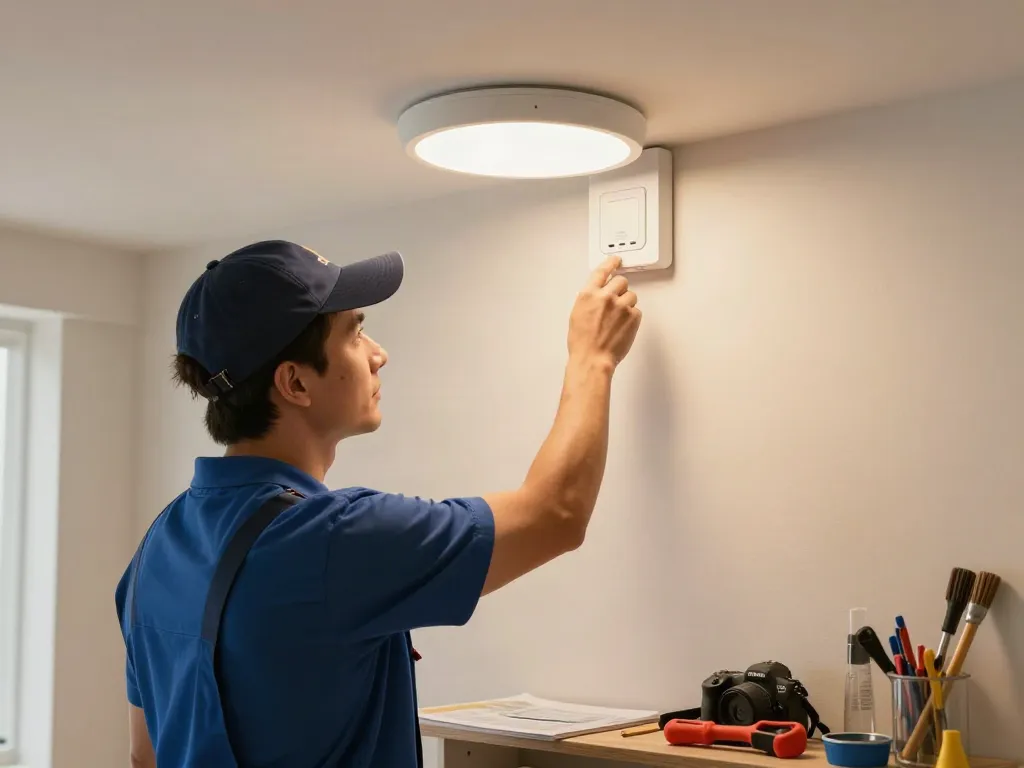
Bed bug heat treatment is a method used to exterminate bed bugs and their eggs by raising the air temperature in an affected area to a lethal level. This technique is gaining popularity due to its effectiveness and the eradication of chemical residues, making it a safe alternative for households and commercial spaces alike. In a typical bed bug heat treatment, the target temperature needs to reach between 120°F to 140°F (49°C to 60°C). This systematic approach allows for the elimination of all life stages of bed bugs, including eggs that are often resistant to pesticides. For more detailed information on bed bug heat treatment, let’s explore how this process works.
How Does Heat Kill Bed Bugs?
Bed bugs are ectothermic creatures, meaning they rely on environmental heat to regulate their body temperature. When exposed to high temperatures, their biological processes are disrupted. Heat penetrates key areas where bed bugs harbor, including mattresses and furniture. Specific temperatures of 118°F (48°C) and above will kill bed bugs and their eggs within a short period. When the temperature reaches approximately 135°F (57°C), bed bugs can die in as little as 90 seconds. Continuous exposure to such temperatures ensures complete eradication, making heat treatment an effective solution.
Advantages of Bed Bug Heat Treatment
Bed bug heat treatment offers several advantages over traditional methods. These pros include:
- Non-toxic: Unlike chemical treatments, which can leave harmful residues, heat treatment is a natural way to eradicate pests without using pesticides.
- Comprehensive Coverage: Heat penetrates furniture, carpeting, and even wall cavities, ensuring that every bed bug, regardless of its hiding place, is affected.
- Speed: Treatments can typically be completed in a single day, allowing for minimal disruption to the household or business operations.
- Long-Term Result: With proper follow-up treatments and monitoring, heat treatment can significantly reduce the chances of reinfestation.
Preparation for Bed Bug Heat Treatment
Assessing Your Location
Effective heat treatment requires an assessment of the infested area. Inspect your home or workplace for signs of bed bugs and determine the extent of the infestation. Identifying the likely hiding places will enhance the effectiveness of the treatment. Common areas include:
- Mattresses and bed frames
- Baseboards and wall cracks
- Upholstered furniture
- Closets and clothing
Preparing Your Environment
Preparation plays a key role in the success of the bed bug heat treatment. Here are the steps you need to follow:
- Clear the Area: Remove items that may obstruct the heat flow, including small furniture, toys, or clutter.
- Wash Fabrics: Wash bedding, clothing, and any fabric items in hot water to further eliminate bed bugs before treatment.
- Vacuum Thoroughly: Vacuuming can help reduce populations but should be done after items are cleared to avoid spreading bugs.
- Check Electronics: Keep electronics, such as TVs and computers, at a safe distance to prevent damage from high temperatures.
Safety Precautions and Risk Management
While bed bug heat treatment is generally safe, there are precautions to consider. Ensure all individuals, including pets, leave the treated area for a specified duration. Damaging flammable materials or any items sensitive to heat should also be avoided. It’s essential to hire professionals who are trained in conducting heat treatments safely and effectively.
Implementing Bed Bug Heat Treatment
Equipment Needed for Effective Treatment
The right equipment is crucial for implementing an efficient heat treatment. Essential tools include:
- Professional Heaters: Specialized heaters designed to raise room temperatures high enough to kill bed bugs.
- Fans: Used to circulate hot air and ensure uniform heating throughout the treatment area.
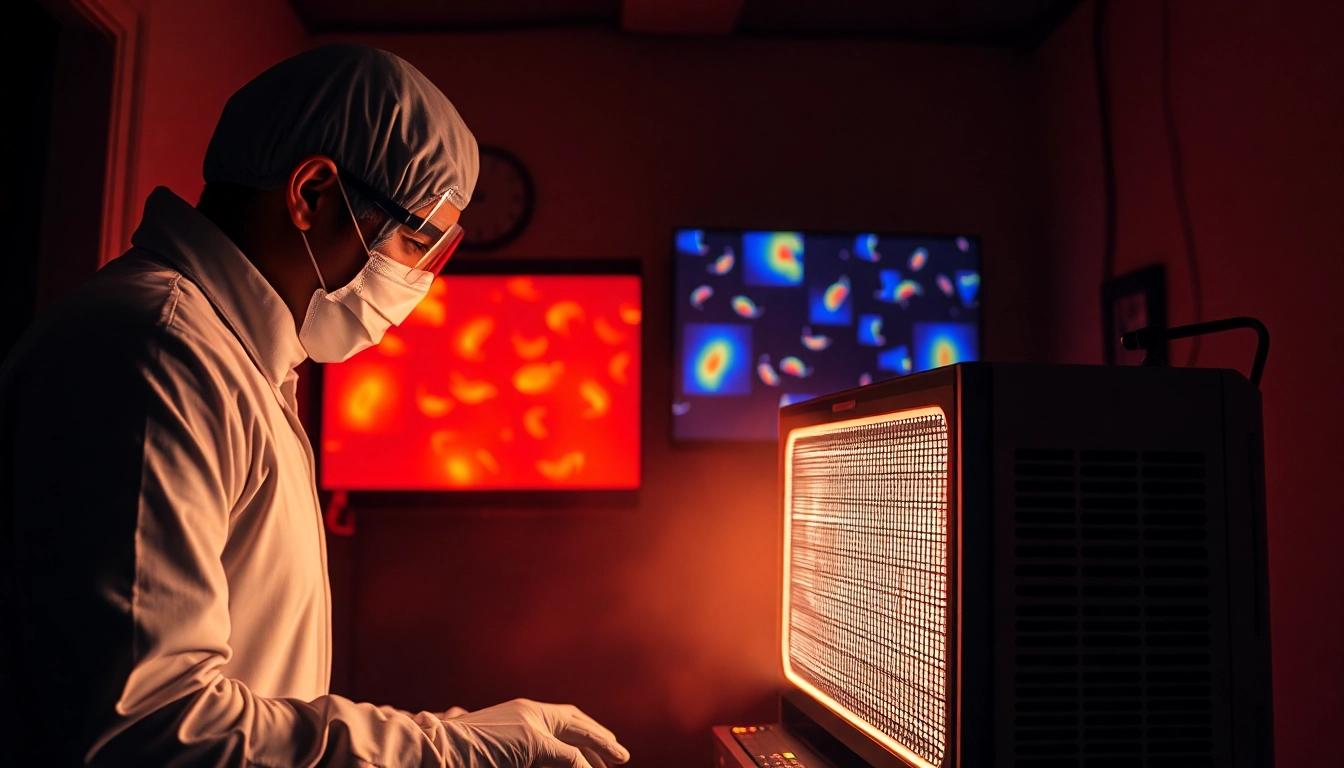
- Thermometers: Infrared thermometers can help monitor temperatures in different areas for effective heat distribution.
- Temperature Monitoring Devices: Continuous monitoring devices ensure that the required temperature is maintained over the treatment period.
Steps for Conducting Heat Treatment
The bed bug heat treatment process involves several steps:
- Setup: Position heaters and fans strategically to maximize airflow and heat distribution.
- Heating Phase: Gradually raise the temperature, ensuring that all specified areas reach the lethal temperature range.
- Maintain Temperature: Hold the temperature consistently for several hours to eradicate all life stages of bed bugs.
- Cooling Down: After treatment is complete, allow the space to cool down before re-entering.
Monitoring Temperature During Treatment
Consistent monitoring of temperatures is vital to ensure effective treatment. Use multiple thermometers in various locations to oversee temperature variation. Keeping the temperature at or above 120°F (49°C) for several hours enables the treatment to be effective. Specific areas may need additional heat to ensure that all bed bugs are eradicated.
Post-Treatment Considerations
Cleaning Up After Treatment
After the heat treatment has been successfully completed, cleaning is essential. Begin by vacuuming the entire area to remove any dead bed bugs and debris. Wash all bedding, clothing, and soft items again to eliminate any residual eggs. Additionally, inspect unsealed items that may need further treatment.
Monitoring for Recurrences
Monitoring for bed bug activity post-treatment is critical. Set a regular inspection schedule within the first month after treatment. Look for any signs of re-infestation, such as bites or carcasses. Responding quickly to any sightings is key to maintaining a bed bug-free environment.
Long-Term Preventive Measures
To prevent future infestations, several preventive measures are advisable:
- Seal cracks and crevices in walls and baseboards.
- Use bed bug-proof encasements for mattresses and pillows.
- Regularly inspect and clean your home, especially in common hiding areas.
- Be cautious when traveling; inspect hotel rooms for signs of bed bugs.
FAQs about Bed Bug Heat Treatment
How effective is bed bug heat treatment?
Bed bug heat treatment is highly effective, capable of killing all life stages when done correctly. It penetrates all areas where bed bugs hide, ensuring total eradication.
Is bed bug heat treatment safe for pets?
Yes, heat treatment is non-toxic and safe for pets when properly conducted, as all pets must be removed from the area during treatment for their safety.
How long does bed bug heat treatment take?
The treatment typically lasts 6 to 8 hours, depending on the size of the affected area and the severity of the infestation.
Can furniture be left in place during treatment?
Some furniture can remain, but it’s best to consult a professional before treatment for optimal results, ensuring effective heat penetration.
What temperatures are required for effective heat treatment?
Effective heat treatments require temperatures to reach around 120-140°F (49-60°C) for sufficient time to ensure the elimination of all bed bug life stages.