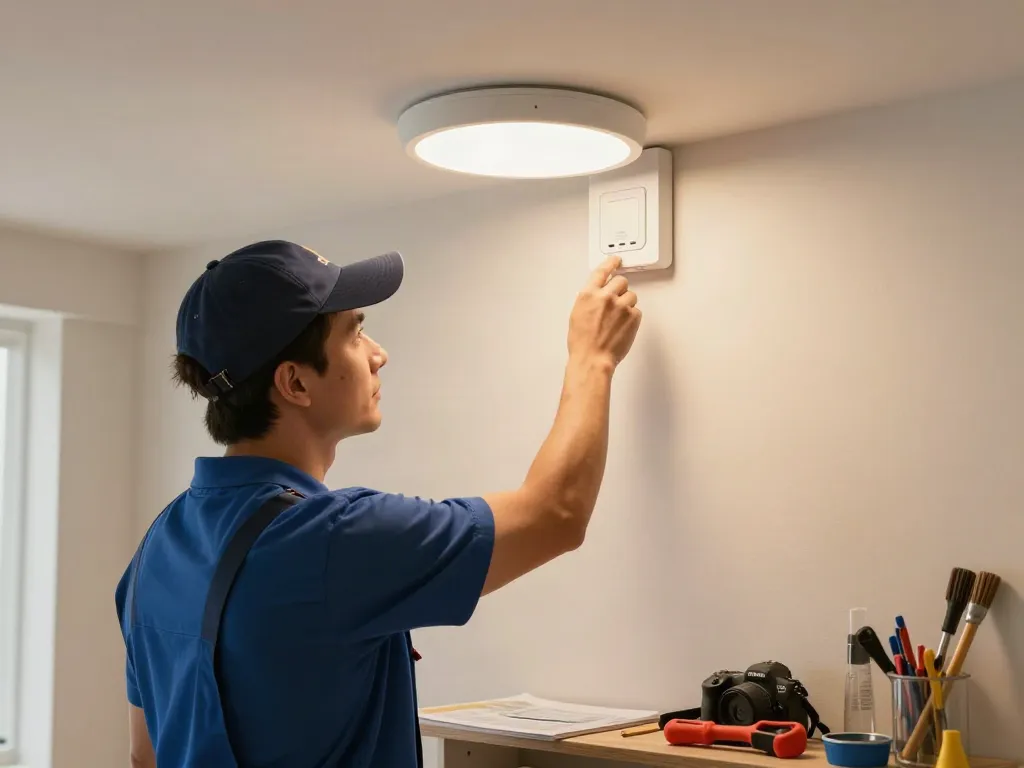
Understanding Bed Bugs and Their Impact
Bed bugs, small parasitic insects that feed on human blood, have become a significant nuisance in homes and public spaces alike. Their presence can lead to physical discomfort, psychological stress, and financial burdens. Understanding these pests is the first step in effectively managing and eliminating them. As infestations rise, many homeowners seek bed bug exterminators to help combat the problem.
What Are Bed Bugs?
Bed bugs (Cimex lectularius) are small, flat, oval-shaped insects approximately the size of an apple seed. They are typically reddish-brown and are most active at night. As nocturnal feeders, they tend to hide in cracks and crevices during the day, making them hard to detect.
Reproductively resilient, a single female bed bug can produce hundreds of eggs in her lifetime, which can hatch within a week. This fast reproduction rate makes early detection and extermination crucial.
Signs of Infestation
Identifying a bed bug infestation requires vigilance. Common signs include:
- Blood Stains: Small, rusty spots on sheets can indicate that bed bugs have fed and left blood behind.
- Dark Spots: Excrement from bed bugs can appear as small, dark dots on bedding or furniture.
- Musty Odor: A distinctive, sweet smell may indicate a larger infestation.
- Shedding Skins: As bed bugs grow, they shed their exoskeletons, which can often be found in their hiding spots.
Health Risks Associated with Bed Bugs
While bed bugs are not known to transmit diseases, their bites can lead to a range of health issues. Common reactions include:
- Itching and Rash: Many individuals experience intense itching or allergic reactions that can escalate into secondary infections due to scratching.
- Sleep Disturbances: Fear of being bitten can lead to insomnia or anxiety.
- Psychological Distress: Homeowners may experience emotional distress associated with living in a bed bug-infested environment.
How Bed Bug Exterminators Operate
To effectively eliminate bed bugs, professional extermination services utilize thorough processes that include inspection, treatment, and follow-up. Here’s what you can expect from bed bug exterminators:
Inspection Techniques
The first step in extermination is a comprehensive inspection. Trained professionals will examine sleeping areas, furniture, and even baseboards. They may use tools such as:
- Flashlights: To spot bed bugs in dark areas.
- Moisture Meters: To check for areas conducive to bed bug habitat.
- Thermal Imaging: To detect bed bugs hidden in walls or behind objects.
Treatment Methods Overview
Once an infestation is confirmed, exterminators employ various treatment methods, including:
- Heat Treatment: This method involves raising the temperature of an affected area to 120 degrees Fahrenheit, effectively killing bed bugs at all life stages.
- Pesticides: Targeted chemical applications can help eliminate bed bugs. However, professionals ensure that only safe products compliant with regulations are used.
- Integrated Pest Management (IPM): This holistic approach combines sanitation, mechanical, and chemical interventions to reduce bed bug populations.
Post-Treatment Follow-Up
After treatment, it’s essential for professionals to conduct follow-up visits to ensure that the extermination was successful and to prevent re-infestation. This may involve:
- Monitoring Devices: Placement of traps or monitors to catch any returning bed bugs.
- Re-Inspection: Professionals may revisit your space weeks after the initial treatment to ensure that bed bugs have not returned.
Choosing the Right Bed Bug Exterminators
Selecting a competent exterminator is critical for effective bed bug management. Here are some factors to consider:
Evaluating Experience and Credentials
Always choose exterminators with proven experience in dealing with bed bugs. Check their certifications and training. An experienced exterminator will provide insights into their methods and expectations for treatment.
Assessing Customer Reviews
Read customer testimonials and reviews online to gauge the satisfaction and reliability of potential exterminators. Look for detailed accounts of prior cases, including treatment effectiveness and customer service interaction.
Comparing Costs and Services
Not all treatments are equal. Compare service offerings, pricing structures, and guarantees between different exterminators. Ensure you understand what services are included in the quoted price to avoid unexpected costs later on.
DIY vs. Professional Bed Bug Extermination
Choosing between DIY methods and hiring a professional exterminator can be daunting. It’s important to understand which path is best for your situation.
When to Consider Professional Help
Opt for professional help if you are faced with a significant infestation that DIY methods cannot handle, or if the infestation is in multiple rooms or difficult-to-reach areas.
DIY Treatment Guidelines
If you decide to attempt DIY extermination, consider the following methods:
- Vacuuming: Regularly vacuum areas where bed bugs are likely to hide. Make sure to dispose of the vacuum contents immediately.
- Steam Cleaning: Use a steam cleaner on bedding, curtains, and carpets to kill bed bugs.
- Diatomaceous Earth: Sprinkle this natural powder in areas where bed bugs are suspected to dehydrate and kill them.
Risks of DIY Extermination
DIY methods may be ineffective, leading to further infestations. Additionally, inappropriate use of pesticides can pose health risks to you and your family. Understanding the extent of the infestation is crucial for effective management.
FAQs About Bed Bug Extermination
Is professional extermination worth the cost?
Yes, professional extermination not only removes bed bugs effectively but also reduces long-term costs associated with damage and stress caused by infestations.
How long does a bed bug extermination treatment last?
The duration of treatment effectiveness varies, but most extermination efforts last for several months. Regular follow-ups can help ensure complete elimination.
What are the common mistakes during bed bug treatment?
Common mistakes include not following treatment guidelines, underestimating the infestation, and skipping follow-up inspections, which can lead to reinfestation.
How can I prevent future infestations?
Prevent future infestations by regularly inspecting your home, sealing cracks, and avoiding bringing in second-hand furniture without proper cleaning and inspection.
What should I do to prepare for an extermination service?
Prepare by decluttering your space, washing bedding in hot water, and moving furniture away from walls to allow for thorough inspection and treatment.