Understanding Containerized Wastewater Treatment Systems
Containerized wastewater treatment systems represent a revolutionary approach to managing water treatment challenges in various industries. These systems, encased within standard shipping containers, are pre-engineered and pre-assembled, providing a rapid, scalable solution for wastewater management. With the rising demands for efficient and flexible wastewater treatment solutions, particularly in remote or emergency settings, the popularity of these modular systems continues to grow. As industries seek to meet stringent environmental regulations while managing costs, containerized wastewater treatment systems offer a promising alternative.
What are Containerized Wastewater Treatment Systems?
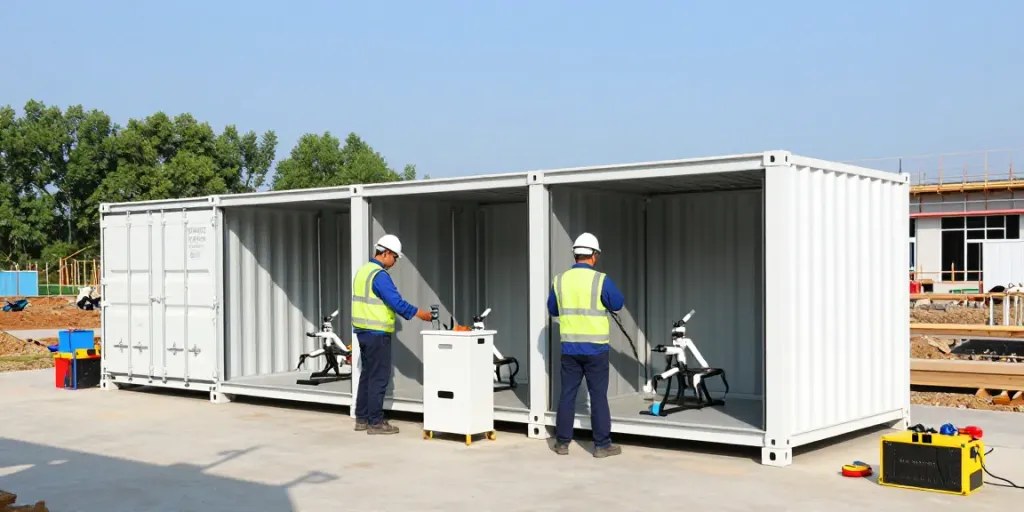
Containerized wastewater treatment systems are self-contained units designed to treat wastewater efficiently. Built within ISO-standard shipping containers, these modular units can be easily transported and deployed, making them ideal for a variety of applications ranging from domestic sewage treatment to industrial effluent management. Their compact design allows for integration into sites with limited space, facilitating operations in urban and rural environments alike.
Key Components of Containerized Units
Each containerized system comprises several critical components that work together to facilitate effective wastewater treatment. Key components typically include:
- Pre-treatment systems: These may involve screening and grit removal to eliminate large particles and debris.
- Bioreactors: Designed for biological treatment processes, these reactors promote microbial activity to break down organic matter.
- Clarifiers: Used for the separation of solids from liquids, ensuring clear effluent discharge.
- Disinfection units: Such as UV or chemical disinfection systems to eliminate pathogens before discharge.
These components can vary based on the specific needs of the application, ensuring that every installation is tailored for maximum efficiency and effectiveness.
How They Work: A Look Inside
The functionality of containerized wastewater treatment systems is grounded in several key processes. Initially, wastewater is pre-treated to remove larger solids and contaminants. Subsequently, the effluent undergoes biological treatment in bioreactors, where bacteria break down organic matter. This process is followed by sedimentation in clarifiers, where heavier particles settle to the bottom, allowing for clearer liquid to proceed to disinfection. Finally, the treated water is disinfected before being released or reused, meeting or exceeding regulatory standards.
Advantages of Modular Wastewater Solutions
Containerized wastewater treatment systems provide numerous advantages, making them a preferred choice for many businesses and municipalities facing wastewater challenges.
Quick Deployment and Installation Benefits
One of the most significant benefits of containerized systems is their rapid deployment. Typically, these units can be installed on-site within one to two days, requiring only basic equipment such as a flatbed truck and crane for transport. This quick setup enables facilities to respond immediately to wastewater treatment needs, such as during disasters or rapid population increases.
Flexibility in Operation: Adapt to Your Needs
The modular nature of these systems allows for operational flexibility. Container sizes can range from 10 feet to 40 feet, and multiple units can be connected to increase capacity as needed. This scalability is crucial for locations that may experience fluctuating wastewater volumes, such as during peak tourist seasons or emergency responses.
Environmental Compliance and Standards
Containerized systems are engineered to meet or exceed environmental regulations, ensuring treated water complies with local and international standards. Their design allows for efficient treatment processes that minimize environmental impact, making them suitable for urban settings where space and emissions are significant considerations.
Challenges Faced by Containerized Systems
Despite their many advantages, containerized wastewater treatment systems are not without challenges. Understanding these potential limitations is crucial for effective long-term planning.
Common Misconceptions and Myths
A prevalent misconception is that containerized systems are always less effective than traditional wastewater treatment facilities. However, the truth is that when properly designed and maintained, containerized solutions can provide comparable or even superior treatment levels due to their advanced technology and efficient processes.
Maintenance Considerations for Long-Term Use
While containerized systems are designed for durability, regular maintenance is necessary to ensure optimal performance. This includes routine checks of mechanical components, cleaning filters, and monitoring biological processes to adapt to changes in influent characteristics. Neglecting maintenance can lead to reduced efficiency and potential compliance issues.
Real-World Limitations of Containerized Solutions
Though flexible, there can be limitations regarding the volume of wastewater these systems can handle. For high-demand industrial operations or municipalities with large populations, multiple containerized units may be necessary, which can complicate management and operation. Additionally, space for multiple units can become an issue, requiring careful planning and site evaluation.
Best Practices for Implementation
Successful implementation of containerized wastewater treatment systems requires careful consideration of several factors.
Choosing the Right System for Your Requirements
Different projects have distinct needs based on the type of wastewater generated, regulatory requirements, and available space. It’s crucial to conduct a thorough analysis before selecting a containerized system to ensure the chosen solution aligns with operational demands.
Step-by-Step Installation Process
The installation process for containerized systems typically involves several steps:
- Site preparation to ensure a stable foundation for the container.
- Transporting the container to the site.
- Positioning the container using a crane.
- Connecting inflow and outflow pipes.
- Conducting system checks to ensure operational readiness.
Monitoring and Optimization Techniques
To maintain efficiency, implementing a monitoring plan is essential. Utilizing sensors for flow rates, water quality, and system performance can aid in proactive maintenance, ensuring the system remains compliant with regulations and operates at peak efficiency.
Future Trends and Innovations in Wastewater Treatment
The landscape of wastewater treatment is continually evolving, with numerous trends emerging that impact the design and functionality of containerized systems.
Emerging Technologies to Watch in 2026
Advancements in technology are integrating artificial intelligence and machine learning into wastewater treatment, allowing systems to adapt in real-time to varying influent conditions and optimizing treatment processes automatically. This innovation could significantly enhance the performance and sustainability of containerized treatment systems.
Sustainability Practices in Wastewater Management
As sustainability becomes a priority, containerized systems are increasingly designed to recycle water and recover energy. Innovations such as anaerobic digestion and nutrient recovery not only minimize waste but also create renewable energy sources to power the treatment processes.
Predictions for Market Growth and Demand
As global water scarcity issues intensify and environmental regulations become stricter, the demand for efficient, portable, and compliant wastewater treatment solutions is likely to surge. Containerized systems, with their inherent advantages, are well-positioned to capture a significant share of this growing market, especially in developing regions where traditional infrastructure is lacking.
What are Containerized Wastewater Treatment Systems?
Containerized wastewater treatment systems are modular units designed for efficient wastewater management, providing flexibility and rapid deployment capabilities.
How Much Does an HSTP System Cost?
The cost of a containerized wastewater treatment system can vary significantly based on size, technology, and application, typically ranging from tens of thousands to several hundred thousand dollars.
What are the Three Types of Wastewater Treatment?
The main types of wastewater treatment include primary treatment (physical processes), secondary treatment (biological processes), and tertiary treatment (advanced processes for nutrient removal and disinfection).
Can We Drink STP Water?
While treated wastewater can be safe for some uses, such as irrigation or industrial processes, it typically requires advanced treatment to make it potable. Direct consumption should only be considered with water that has undergone rigorous treatment and testing.
What are the Benefits of Containerized Systems?
Containerized wastewater treatment systems offer numerous benefits, including quick installation, operational flexibility, scalability, and compliance with environmental regulations, making them an ideal choice for diverse applications.