Understanding Pressure Vessel Design Fundamentals
Definition and Importance of Pressure Vessel Design
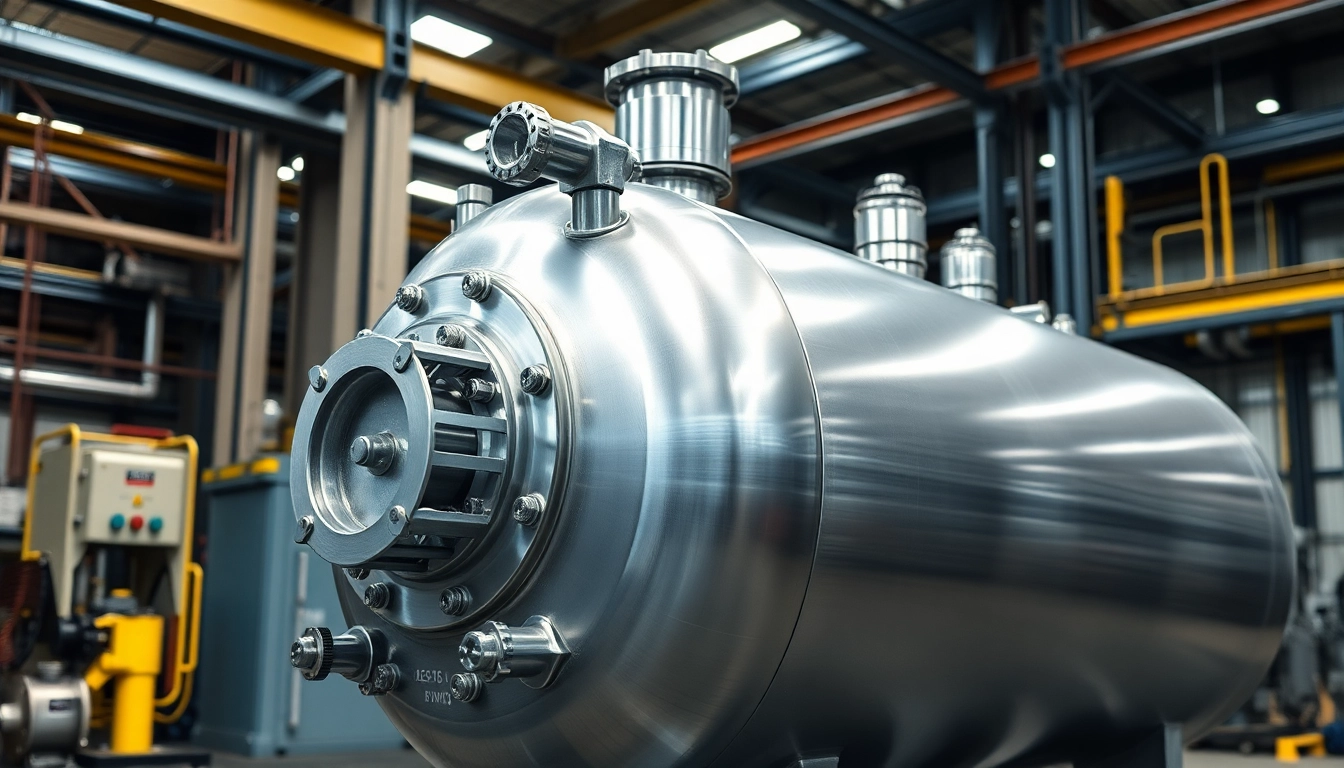
Pressure vessel design is a crucial aspect of engineering concerning containers that store gases and liquids under high pressure. These vessels, required across various industries like oil and gas, petrochemical, and energy, are built to withstand significant pressure differences between the inner pressure of the fluid and the external environment. The Pressure Vessel Design involves meticulous consideration of safety, efficiency, and durability, as failure in design can lead to catastrophic accidents, severe damages, and financial loss.
Common Types of Pressure Vessels
Pressure vessels come in various shapes and sizes, each suited for different applications. The most common types include:
- Cylindrical Vessels: Most frequently used due to their simple design and efficiency in distributing stress. These vessels can be oriented vertically or horizontally.
- Spherical Vessels: Known for their structural strength and fully rounded shape, offering equal stress distribution throughout the vessel.
- Horizontal and Vertical Vessels: Orientation affects various factors such as heat exchange and installation requirements, making the choice critical for specific applications.
- Storage Tanks: Used primarily for storing fluids at ambient or slightly elevated pressure; these can be either vertical or horizontal.
Key Design Considerations in Pressure Vessel Design
Several factors must be taken into account when designing pressure vessels:
- Material Selection: The material must be chosen based on the type of fluid, temperature, and pressure to ensure compatibility and safety.
- Design Pressure and Temperature: Understanding the maximum operational limits is crucial for a safe design.
- Corrosion Allowance: Account for the gradual deterioration of materials over time, especially when they are exposed to corrosive substances.
- Safety Factors: Implementing adequate safety margins is essential to accommodate unforeseen stresses and operational fluctuations.
Standards and Regulations Governing Pressure Vessel Design
Overview of ASME Standards
The American Society of Mechanical Engineers (ASME) provides the guidelines through the Boiler and Pressure Vessel Code (BPVC). Compliance with these standards is critical for ensuring the vessel's safety and reliability. ASME Section VIII addresses the rules for constructing pressure vessels, including design, fabrication, and inspection.
Compliance and Safety Protocols in Industrial Settings
To avoid risks associated with pressure vessel failures, facilities must implement robust safety protocols. This includes conducting comprehensive risk assessments, regular maintenance, and mandatory inspections following the guidelines stipulated in the ASME standards.
Regular Inspection and Maintenance Requirements
Regular inspections are essential to ensure the integrity of pressure vessels. The frequency and type of inspections depend on various factors, including operational conditions and the history of the pressure vessel. Scheduled maintenance can identify early signs of wear, corrosion, and other potential failures.
The Pressure Vessel Design Process
Steps in the Design Procedure
The process of designing a pressure vessel includes several critical steps:
- Define Requirements: Establishing the purpose, work environment, and operational parameters of the vessel.
- Preliminary Design: Sketch initial concepts accounting for various function and safety factors.
- Detailed Design and Analysis: Using advanced tools for modeling and simulation to refine the design.
- Review and Approval: Compliance checks with industry standards before moving into manufacturing.
Essential Calculations and Safety Factors
Calculations play a crucial role in pressure vessel design. These include determining the required wall thickness based on material properties, internal pressure, and safety factors. Engineers must ensure that the design conservatively accounts for unforeseen operational conditions and environmental factors.
Choosing the Right Materials for Pressure Vessels
Selecting the right materials involves understanding the chemical properties of the contained fluids, temperature specifications, and pressure conditions. Common materials include various grades of steel, carbon steel, and composites, which provide different properties such as corrosion resistance and strength.
Common Challenges in Pressure Vessel Design
Addressing Regulatory Compliance Issues
Navigating the complex landscape of regulatory compliance can be challenging. Designers must stay updated on the latest codes and regulations, conducting comprehensive reviews throughout the design process to ensure compliance with federal, state, and local laws.
Mitigating Risks and Failures
To minimize risks, engineers incorporate redundancy in design and consider implementing advanced monitoring systems. These help detect potential failure modes early, allowing for corrective actions before catastrophic events can occur.
Managing Costs Without Compromising Safety
Balancing cost while ensuring safety can be a significant hurdle in pressure vessel design. Cost-effective solutions should not sacrifice quality; this may involve selecting alternative materials or refining the design process for efficiency.
Future Trends in Pressure Vessel Design
Innovations in Design and Materials
Advancements in technology are transforming pressure vessel design. Innovations such as 3D printing and new composite materials allow for lighter, more efficient designs that can handle increased pressures.
Impact of Technology on Pressure Vessel Design
Technological developments lend themselves to enhancements in simulation software and manufacturing techniques. These technologies create opportunities for more precise modeling, reducing costs and time in the design phase.
Sustainability Considerations in Pressure Vessel Design
Today's designs are increasingly focusing on sustainability. Manufacturer practices that reduce waste materials and energy consumption during production are essential. Additionally, selecting materials that are recyclable contributes to the lifecycle sustainability of pressure vessels.
FAQs about Pressure Vessel Design
What is a pressure vessel?
A pressure vessel is a container designed to hold gases or liquids at a pressure substantially different from the ambient pressure. These include tanks and boilers.
How are pressure vessels tested?
Pressure vessels undergo various tests such as hydrostatic tests, where they are filled with water and tested for leaks under high pressure, ensuring structural integrity.
What materials are used in pressure vessel construction?
Common materials used include carbon steel, stainless steel, and specific alloys, selected based on factors like temperature, pressure, and the nature of contents.
What is the importance of corrosion allowance?
Corrosion allowance accounts for the eventual reduction in thickness due to corrosion, helping maintain the integrity and safety of the vessel throughout its service life.
How often should pressure vessels be inspected?
Inspection frequency depends on use and regulations, but typically includes regular audits, annual checks, and detailed inspections every few years to assess structural integrity.