Introduction to Pressure Vessel Design
Pressure vessel design is a critical field within mechanical engineering that involves creating structures capable of holding gases or liquids at high pressures. These vessels are essential in various industries, including oil and gas, chemical processing, and power generation. Their design not only ensures efficiency but also plays a vital role in safety and compliance with industry regulations. Understanding the fundamental aspects of Pressure Vessel Design is crucial for engineers and safety professionals tasked with developing these vital structures.
Definition and Importance of Pressure Vessel Design
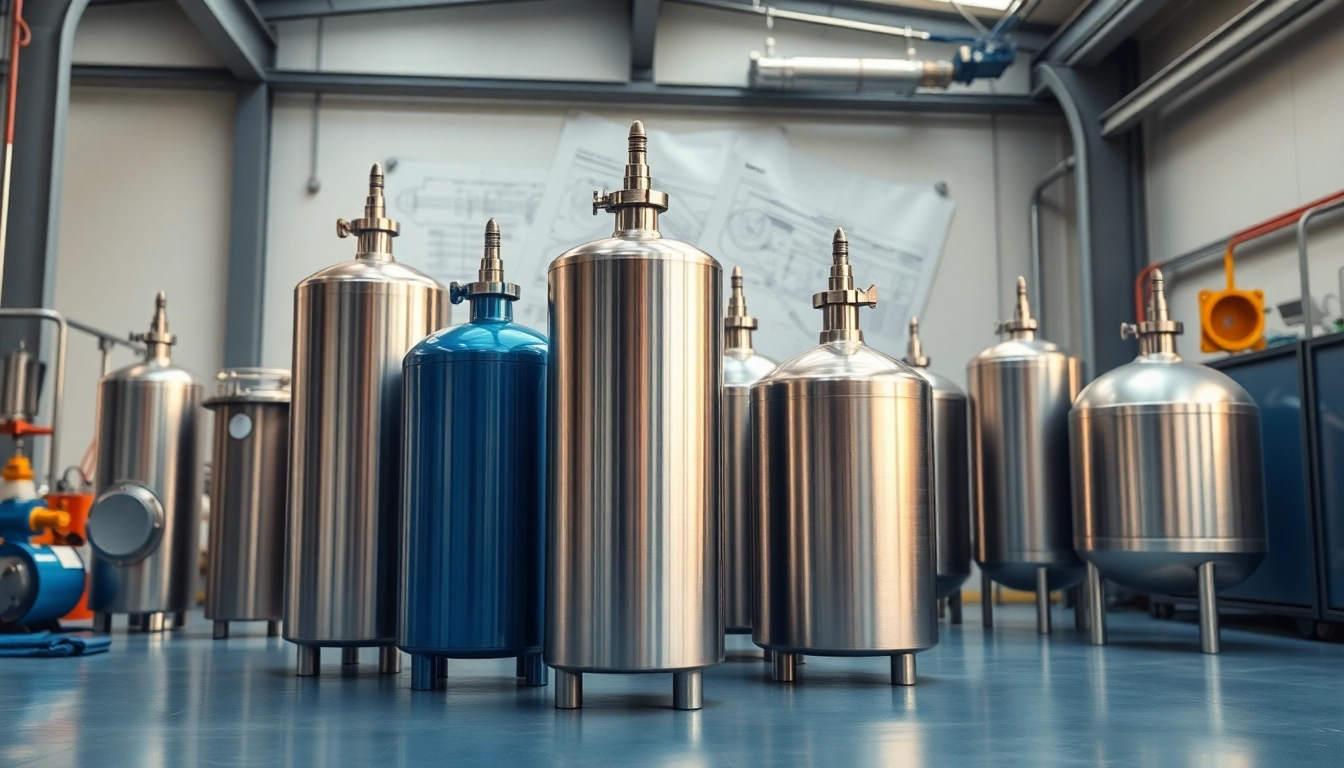
A pressure vessel is defined as a container designed to hold gases or liquids at a pressure substantially different from the ambient pressure. These vessels can take various forms, including cylindrical, spherical, and conical shapes, depending on the specific needs of the application. The importance of pressure vessel design cannot be overstated, as failure to adhere to design principles can lead to catastrophic accidents, loss of life, and significant financial implications.
Applications in Various Industries
Pressure vessels are utilized extensively across numerous sectors. In the chemical processing industry, they store reactive substances under controlled conditions. In the oil and gas sector, they are used for refining and storage purposes. Additionally, power plants use pressure vessels in their boilers and steam systems to generate electricity. Understanding the specific requirements of each industry is essential for successful vessel design.
Overview of Relevant Regulations
Compliance with regulations like the American Society of Mechanical Engineers (ASME) Boiler and Pressure Vessel Code is mandatory for pressure vessel design. These regulations establish safety standards that govern the materials used, the design process, and the testing methods required for each vessel. Engineers must stay informed about local and international standards to ensure that their designs meet all required safety benchmarks.
Fundamental Principles of Pressure Vessel Design
Basic Shapes and Structures
The shape and structure of pressure vessels significantly influence their design parameters. Common shapes include:
- Cylindrical Vessels: Often the most economical to construct, they distribute stress evenly and are widely used in industrial applications.
- Spherical Vessels: These offer the highest strength-to-weight ratio and are often used for gas storage.
- Conical Vessels: Used primarily for storage, enabling easier discharge of contents while minimizing residual material.
Key Design Factors
Several factors play a crucial role in designing pressure vessels:
- Pressure and Temperature: Engineers must account for the maximum safe operating pressure (MSOP) and temperature.
- Material Strength: The choice of materials impacts the vessel's ability to withstand internal pressure and corrosion.
- Geometry: The dimensions and shape must accommodate stress distributions and maximize structural integrity.
Material Selection Considerations
Choosing the right materials is paramount for pressure vessel design. Common materials include:
- Carbon Steel: Widely used due to its strength and cost-effectiveness, suitable for many applications but may require protective coatings to resist corrosion.
- Stainless Steel: Offers excellent corrosion resistance, ideal for applications involving aggressive chemicals.
- Aluminum: Lightweight and resistant to corrosion, it is often used in specialized applications where weight is a concern.
Understanding the Design Process for Pressure Vessels
Initial Design Planning Steps
The design process typically begins with the identification of the vessel’s purpose and the conditions it will face. Engineers gather detailed information regarding:
- Operating pressures and temperatures
- Fluid characteristics and potential corrosive effects
- Regulatory requirements and standards
Simulation and Evaluation Techniques
Computer-aided design (CAD) software plays a vital role in simulating the performance of pressure vessels. Engineers can assess various designs under simulated operational conditions, evaluating factors like stress distribution, thermal expansion, and the impacts of pressure fluctuations. Finite Element Analysis (FEA) is a common technique used to identify potential failure points in a design.
Testing and Validation Procedures
Following design and simulation, thorough testing is essential to validate the design's safety and effectiveness. This includes:
- Hydrostatic Testing: Testing the vessel under water pressure to ensure no leaks exist.
- Pneumatic Testing: Involving gaseous mediums, ensuring the vessel can handle pressure without deformation.
- Non-destructive Testing: Techniques like ultrasonic testing or radiographic testing help identify weaknesses without damaging the vessel.
Safety Standards and Compliance in Pressure Vessel Design
Overview of ASME Code and Other Regulations
Adhering to the ASME Code is fundamental in pressure vessel design, as it outlines specific material requirements, testing practices, and design procedures to ensure a high safety margin. Other important regulations may include local codes and environmental standards that can affect the design and operation of pressure vessels.
Risk Assessment and Management
Conducting thorough risk assessments is crucial in the design phase. Engineers must evaluate the potential risks associated with failure and implement design solutions to mitigate these risks, ensuring compliance with all safety protocols. This often involves collaboration with safety professionals and a deep understanding of operational hazards.
Common Safety Issues and Solutions
Some common safety issues in pressure vessel design include:
- Fatigue Failure: Occurs due to repeated cycling of pressure. Use of higher fatigue-resistant materials and thorough stress analysis can mitigate this.
- Corrosion: Can lead to vessel failure over time. Proper material selection and protective coatings are essential.
- Improper Design or Construction: This can compromise safety. Adhering strictly to ASME guidelines during the design and construction process is critical.
Future Trends in Pressure Vessel Design
Advancements in Materials and Technologies
The new materials and technologies are enhancing pressure vessel design. For example, composite materials that provide high strength-to-weight ratios are entering the market, allowing for lighter and more resilient designs. Additionally, additive manufacturing technologies are making it feasible to create complex shapes that traditional methods cannot achieve.
Innovations in Design Software
The future will also see advancements in design software, integrating artificial intelligence (AI) and machine learning to predict performance outcomes based on historical data. These innovations will streamline the design process, allowing engineers to make more informed decisions earlier in the design phase.
Sustainability Considerations in Design
As industries become more eco-conscious, the design of pressure vessels will increasingly focus on sustainability. This includes selecting recyclable materials, minimizing waste during production, and designing vessels for longevity to reduce environmental impact.
FAQs:
What are the primary design considerations for pressure vessels?
Design considerations include material selection, maximum operating pressure and temperature, and safety factors. Compliance with relevant standards is vital for ensuring safety and effectiveness.
How does ASME Code influence pressure vessel design?
The ASME Code provides essential guidelines for the design, construction, and testing of pressure vessels, ensuring safety and reliability through established engineering principles.
What software is commonly used in pressure vessel design?
Software such as AutoCAD and CADEM PVD is frequently employed for modeling and analysis, enabling engineers to optimize designs for performance and safety effectively.
What materials are typically used for pressure vessels?
Common materials include carbon steel for strength, stainless steel for corrosion resistance, and aluminum for lightweight applications, chosen based on pressure requirements and operating conditions.
Can pressure vessels be customized for specific needs?
Yes, pressure vessels can be tailored to meet specific operational requirements, allowing for variations in size, shape, and material to align with industry demands and safety protocols.