Understanding GPU Computing Fundamentals
As we delve into the realm of artificial intelligence (AI), it becomes increasingly evident that GPU computing is at the heart of modern AI operations. Graphics Processing Units (GPUs) have transformed not just the gaming industry but have also paved the way for groundbreaking advancements in AI and machine learning. Their ability to handle vast amounts of data in parallel makes them indispensable for processing complex AI models and tasks efficiently. In this article, we will explore the fundamentals of GPU computing, its significance in AI infrastructures, and how innovations in this area are shaping the future of technology.
What is GPU Computing?
GPU computing refers to the use of a Graphics Processing Unit to perform computation alongside or instead of a Central Processing Unit (CPU). This parallel approach allows GPUs to handle thousands of threads simultaneously, making them particularly effective for tasks that require high throughput, such as deep learning and complex simulations. By offloading compute-intensive tasks to GPUs, systems can operate more efficiently, yielding faster results and improving overall performance in AI applications.
Comparing GPU and CPU Performance
When comparing GPU and CPU performance, it's crucial to understand their architectural differences. While CPUs are optimized for low-latency tasks and are well-equipped for various general-purpose computations, GPUs excel in parallel processing capabilities. This is particularly beneficial for operations involving large datasets and algorithms typically seen in AI, such as matrix multiplications and convolutions in neural networks. For instance, a single high-end GPU can outperform multiple CPUs in tasks involving matrix calculations, which are fundamental to training AI models.
The Role of GPUs in AI Applications
In AI applications, GPUs play a crucial role in accelerating training and inference tasks. Due to their parallel architecture, they can handle numerous calculations simultaneously, significantly reducing the time required for model training. This capability enables data scientists and machine learning practitioners to iterate faster and experiment with more complex models. Moreover, frameworks like TensorFlow and PyTorch are designed to leverage GPU computing, making it easier for developers to build and deploy AI solutions effectively.
Benefits and Challenges of GPU Computing
While GPU computing offers numerous advantages for AI applications, it also comes with its own set of challenges. Understanding these benefits and challenges can help organizations make informed decisions about implementing GPU-based solutions in their operations.
Advantages of GPU Computing for AI Tasks
- Speed: GPUs can process multiple operations simultaneously, leading to faster training times for AI models.
- Efficiency: The ability to handle large datasets efficiently makes GPUs ideal for deep learning applications.
- Scalability: GPU resources can be scaled up or down easily, allowing organizations to adapt to changing workloads.
- Cost-Effectiveness: By reducing the time needed for AI model training, organizations can lower their overall computational costs.
Common Challenges in GPU Deployment
Despite these advantages, organizations may face challenges when deploying GPU computing solutions. Some of these challenges include:
- Initial Setup Costs: Setting up a GPU infrastructure can require significant investment in hardware and software.
- Technical Expertise: Effectively utilizing GPUs requires specialized knowledge in parallel programming and AI model optimization.
- Resource Management: Managing GPU resources effectively can be complex, especially in a multi-user environment.
Addressing Myths about GPU Performance
Several myths persist regarding GPU performance, often leading to misconceptions about their use in AI. One common myth is that GPUs are only suitable for gaming or graphics tasks. In reality, as demonstrated in numerous studies, the computational architecture of GPUs makes them highly effective for AI and machine learning applications. Furthermore, many organizations successfully utilize GPUs for tasks unrelated to graphics or visual processing, showcasing their versatility in modern computing.
GPU Computing in AI Infrastructure
The integration of GPU computing into AI infrastructure is critical for creating efficient and scalable AI systems. As industries increasingly rely on AI for decision-making and automation, understanding how to build robust AI factories that leverage GPU technology becomes essential. When exploring options, GPU computing solutions can provide comprehensive insights and enable organizations to harness the full potential of AI.
Building an Efficient AI Factory
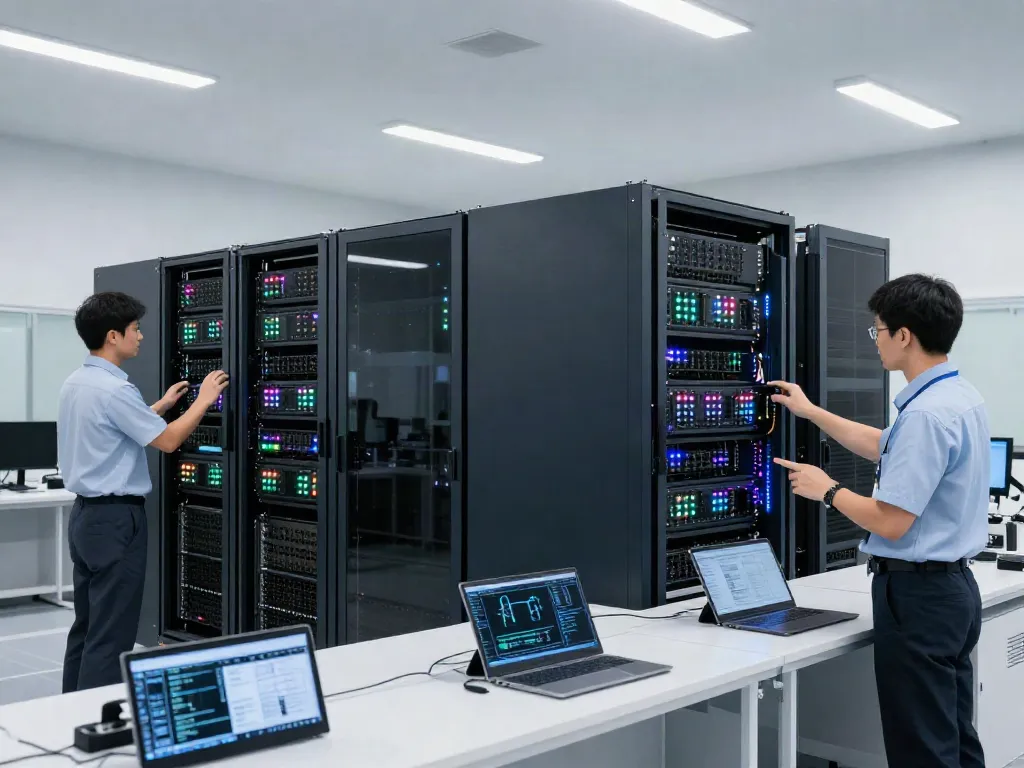
An AI factory is a term used to describe a dedicated infrastructure designed to optimize the development and deployment of AI applications. Building an efficient AI factory involves selecting the right hardware, including powerful GPUs, and implementing a supportive architectural framework that encourages scalability and collaboration among teams. Advanced cooling solutions and power management systems are also essential components to ensure that GPUs can operate at peak performance without overheating.
Power Requirements for GPU Operations
Power management is a critical aspect of GPU operations. High-performance GPUs consume significant amounts of electricity, and optimizing power usage is essential for maintaining operational efficiency. Data centers that host GPU computing resources must implement robust infrastructure to handle these power requirements, including reliable power supply systems and advanced cooling solutions to manage heat generated during GPU operations.
Integrating GPU Computing with AI Workflows
Integrating GPU computing within AI workflows requires careful planning and execution. Organizations must ensure that their AI tools and frameworks are compatible with GPU architectures. Popular frameworks like TensorFlow and PyTorch provide libraries and utilities designed to leverage GPU capabilities effectively. This integration helps in accelerating training times and streamlining workflows within AI teams.
Advanced Strategies for GPU Utilization
To fully capitalize on GPU computing, organizations should adopt advanced strategies that enhance GPU utilization across various AI projects. These strategies enable more efficient use of resources and maximize the return on investment.
Optimizing GPU Performance with Software
Optimizing GPU performance involves selecting the right software tools and libraries that enhance computation speed and efficiency. Developers and data scientists can leverage techniques such as data parallelism, model optimization, and mixed-precision training to extract maximum performance from GPUs. Additionally, employing containerization technologies like Docker can simplify the deployment of GPU-accelerated applications.
Scalable Solutions for Enhanced GPU Capacity
Scalability is a core advantage of GPU computing, and organizations should implement solutions that allow them to scale their resources dynamically. Utilizing cloud computing platforms that offer GPU instances enables organizations to adjust their computational capacity based on demand quickly. This flexibility is crucial for businesses experiencing fluctuating workloads or uncertainties in AI project requirements.
Monitoring and Managing GPU Resources Effectively
Effective monitoring and management of GPU resources are essential for ensuring optimal performance. Organizations should implement monitoring tools that provide real-time insights into GPU usage, temperature, and power consumption. With this data, IT teams can make informed decisions about resource allocation and identify potential bottlenecks before they impact performance.
The Future of GPU Computing in AI
As we look ahead to 2026 and beyond, the future of GPU computing in AI appears promising. Rapid advancements in technology and the growing demand for AI solutions are set to redefine how organizations leverage GPUs.
Emerging Trends to Watch for in 2026
Several emerging trends are anticipated to shape the landscape of GPU computing in the coming years:
- Increased Adoption of AI: More industries will invest in AI technologies, necessitating advanced GPU solutions to meet their needs.
- Development of Specialized GPUs: Hardware manufacturers will continue to develop specialized GPUs optimized for specific AI tasks, enhancing performance and efficiency.
- Focus on Sustainability: The push toward greener technology will drive innovations in energy-efficient GPU designs and data center operations.
The Impact of Quantum Computing on GPU Technology
Another potential game-changer on the horizon is quantum computing, which promises to revolutionize data processing capabilities. As quantum technologies mature, they could work in tandem with traditional GPU architectures, leading to hybrid systems capable of tackling even more complex AI tasks and datasets.
Preparing for the Next Leap in AI Infrastructure
Organizations must prepare for the next leap in AI infrastructure by investing in training and skills development for their workforce. Understanding the nuances of GPU computing and emerging technologies will be vital for teams as they seek to stay competitive in the marketplace. Furthermore, fostering a culture of experimentation and innovation will enable organizations to capitalize on new opportunities as they arise.
What is GPU Computing?
To summarize, GPU computing is an essential component of modern AI infrastructures, enabling industries to harness the power of parallel processing for complex computations. As the technology continues to evolve, organizations that embrace GPU solutions will be better positioned to drive innovation and deliver cutting-edge AI applications.
How Do AI Token Programs Leverage GPUs?
AI token programs are increasingly relying on GPU computing to process transactions and manage workloads efficiently. By utilizing GPUs for tasks such as transaction validation and data processing, these programs can enhance their performance and scalability, creating a more robust ecosystem for participants.
Why Choose GPU Computing for Your AI Needs?
Choosing GPU computing for AI needs can lead to significant advantages in speed, efficiency, and overall performance. As organizations seek to leverage AI for various applications, investing in GPU technology is a proactive approach that can yield measurable results.